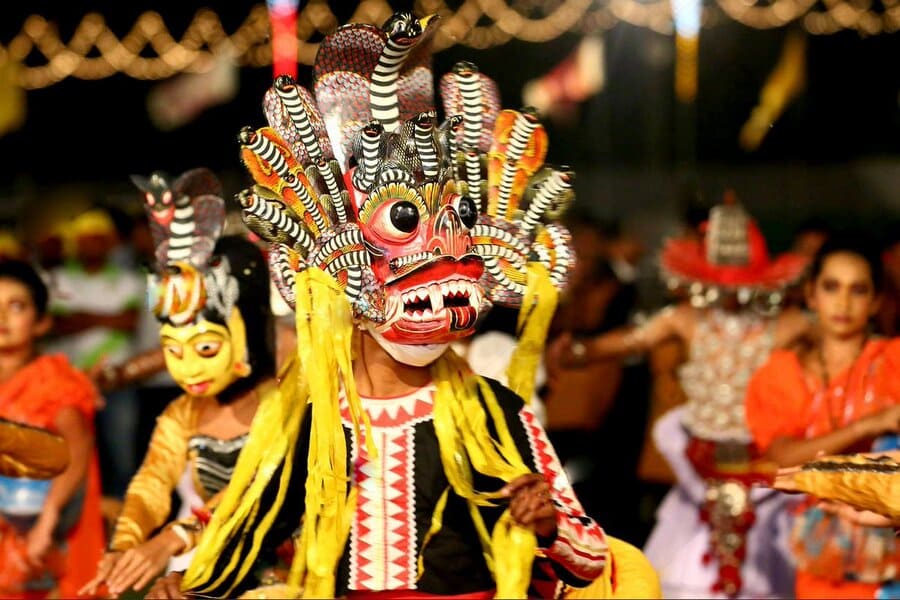
Sri Lanka is an island of ancient wonders, where vibrant culture and deep spiritual traditions have been preserved for thousands of years. Among its most extraordinary cultural treasures is Yakun Natima, a fascinating ritual art form that continues to captivate both locals and visitors who explore the country through sri lanka local tours. Known in the West as the sri lankan devil dance, this centuries-old practice weaves together performance, healing, spirituality, and community belief into one extraordinary ceremony that stands unlike anything else in South Asia.
What Is Yakun Natima?
Yakun Natima is a traditional exorcism ritual and ceremonial dance performed by specialist healers in Sri Lanka. The term literally translates to "devil dance" or "demon dance," though that translation barely scratches the surface of what this practice truly represents. Far from being a simple theatrical performance, Yakun Natima is a deeply spiritual ceremony rooted in the belief that illness, misfortune, and mental distress can be caused by malevolent spirits, known as "yaku" in Sinhala.
Performed by trained ritual specialists called "adura" or "yakaduru," this ancient tradition incorporates elaborate masked dances, rhythmic drumming, sacred chanting, and the use of intricate costumes to summon, communicate with, and ultimately pacify these supernatural forces. The goal is not entertainment but genuine healing and restoration of harmony between the patient, their community, and the spirit world.
The Origins of Yakun Natima in Sri Lanka
The roots of yakun natima sri lanka stretch back well over 2,500 years, with some scholars tracing its origins to pre-Buddhist animist traditions that existed on the island long before the arrival of organized religion. As Buddhism took hold in Sri Lanka around the 3rd century BCE, these older spirit-based practices did not disappear. Instead, they evolved and integrated elements of Buddhist cosmology and Hindu influence, creating a uniquely Sri Lankan syncretic tradition.
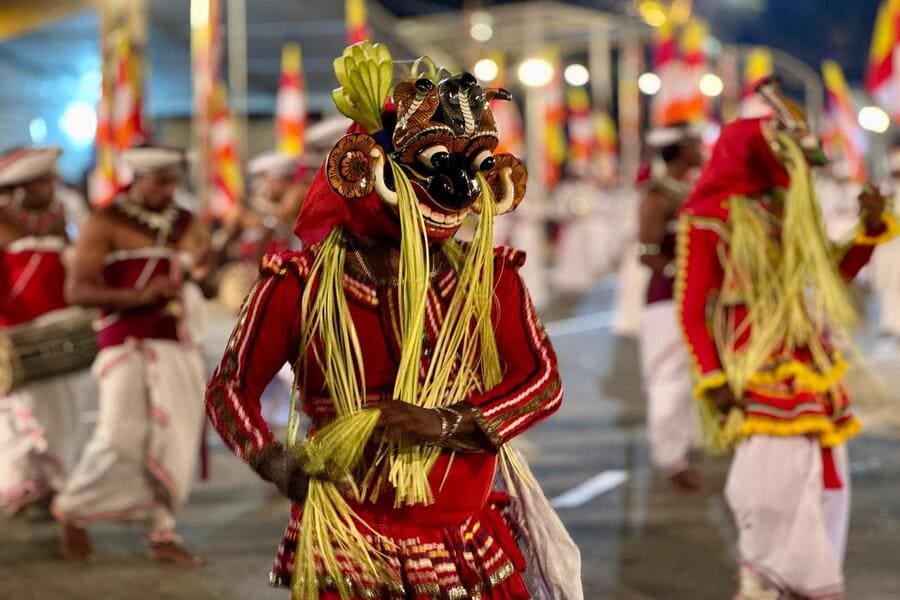
Ancient texts, including the Mahavamsa, the great chronicle of Sri Lankan history, make references to rituals involving the propitiation of spirits and demons. Over centuries, the practice became institutionalized, with specific families and lineages becoming the hereditary custodians of devil dance sri lanka knowledge. This oral and performative tradition was passed from father to son across generations, ensuring the survival of ritual techniques, songs, and choreography that might otherwise have been lost.
By the Kandyan period (14th to 19th centuries), Yakun Natima was recognized as a sophisticated art form practiced across the coastal lowlands and southern regions of the island, with regional variations developing in different districts.
Why Is Yakun Natima Performed?
The sri lanka devil dance ritual is performed primarily as a healing ceremony. When a person in a traditional Sri Lankan community falls ill in ways that do not respond to ordinary medicine, or when they suffer from persistent bad luck, mental illness, or what locals recognize as spirit possession, a family may call upon an adura to conduct a Yakun Natima ritual on their behalf.
The ceremony serves multiple purposes. It is meant to diagnose the spiritual cause of affliction, propitiate the offended demon responsible, and ultimately drive away negative forces through the power of the performance itself. The combination of costume, mask, drumbeat, and chant is believed to create a sacred space where the boundaries between the human and spirit worlds dissolve temporarily, allowing the ritual specialist to negotiate on behalf of the patient.
Beyond healing, Yakun Natima also functions as a community bonding event. These ceremonies often last an entire night and draw large numbers of villagers who participate as witnesses, creating a collective experience of spiritual renewal and communal solidarity.
How a Traditional Yakun Natima Ceremony Takes Place
A genuine devil dance sri lanka ceremony follows a complex and carefully structured sequence that can last anywhere from several hours to a full night or even multiple nights for more serious afflictions.
Preparing the Ritual Space
The ceremony begins long before the dancing starts. The adura and his assistants construct an elaborate temporary shrine known as a "thovil," adorned with intricate decorations made from young coconut leaves, plantain flowers, and offerings of fruits, flowers, and cooked foods. Specific geometric patterns and symbolic objects are arranged to attract the relevant spirit and create a protected ritual environment. The patient is seated within this space, and the entire preparation is considered sacred.
The Role of the Devil Dancers
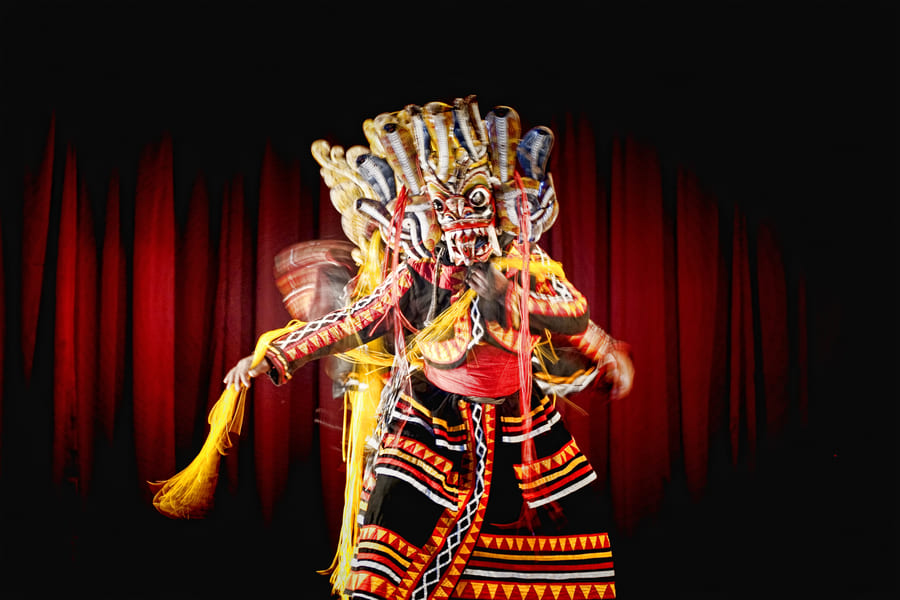
The adura, often assisted by apprentices or family members trained in the tradition, takes on the role of the devil dancer. Wearing magnificent masks and elaborate costumes, the adura does not merely perform but is believed to enter an altered state of consciousness in which they become a conduit for spiritual forces. Each movement, gesture, and posture has a specific meaning and function within the ritual grammar of Yakun Natima. The dancer moves through a progression of distinct segments, each addressing a different aspect of the spiritual problem at hand.
Music, Drums, and Chanting
The sonic landscape of a sri lanka traditional devil dance is as important as the visual spectacle. A group of drummers playing the yak beraya, a specific type of double-headed drum associated with these rituals, provide the rhythmic foundation. The drumming patterns shift and accelerate throughout the night, mirroring the escalating intensity of the ritual. Alongside the drums, the adura and accompanying singers chant lengthy sequences of verses called "kavi," which narrate the mythology of the demons being addressed, praise the gods who can subdue them, and invite the spirits to depart peacefully from the patient.
The Ritual's Final Blessing
As dawn approaches in a night-long ceremony, the ritual reaches its climax and resolution. The adura performs the most powerful sequences of the dance, directly confronting and pacifying the spirit. Offerings are formally presented, and final blessings are chanted over the patient. The conclusion of the ceremony is a moment of collective release and celebration, with the patient symbolically restored to health and the community reaffirmed in its spiritual wellbeing.
Traditional Masks Used in Yakun Natima
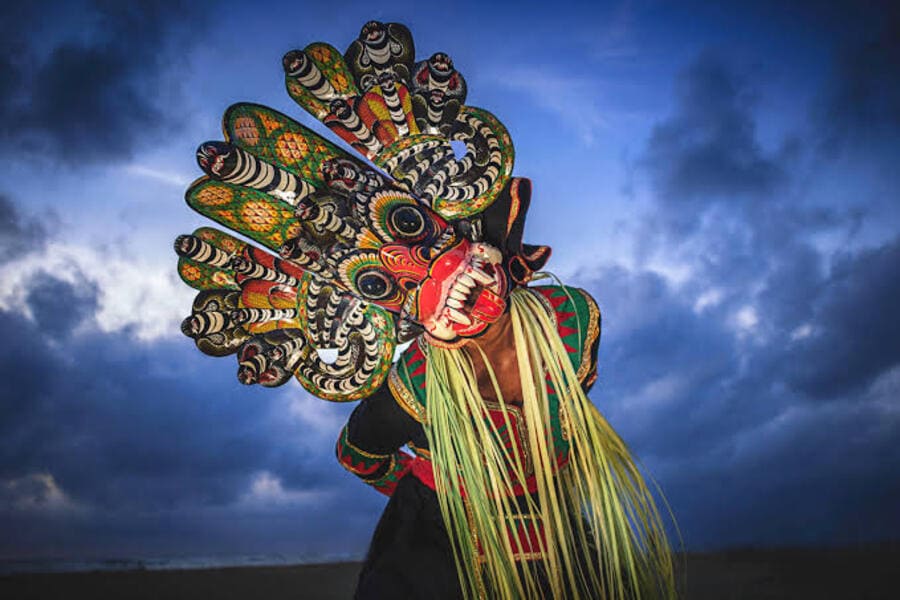
No aspect of Yakun Natima is more visually striking or symbolically rich than the masks worn by the ritual dancers.
The Meaning Behind Sri Lankan Devil Masks
Each mask is not simply a costume accessory but a sacred object embodying a specific supernatural entity. When the adura dons a mask, the belief is that the spirit represented by that mask temporarily inhabits the dancer's body. The mask thus serves as a portal between worlds. In the context of the sri lanka devil dance ritual, the mask grants the performer the power to confront the forces of illness and misfortune from a position of sacred authority.
Different Types of Devil Masks
The pantheon of spirits addressed in Yakun Natima ceremonies is vast, and different ceremonies call for different masks. Among the most significant are the Maha Kola Sanni Yaka, associated with disease, and the Kalu Yaka, a powerful dark spirit linked to misfortune and possession. The Ginijala Kumara, a fiery demon figure, is also commonly represented. The Sanni masks, used in the Sanni Yakuma ceremony (a related ritual addressing specific diseases), depict 18 different demon forms, each corresponding to a particular illness.
How the Masks Are Made
Traditional Yakun Natima masks are carved from the lightweight wood of the kaduru tree (Strychnos nux-vomica) by specialist craftsmen, many of whom come from families that have practiced mask-making for generations. The carving process itself follows traditional protocols, including specific rituals to consecrate the finished mask before it can be used in ceremony. The masks are painted in vivid colors using natural pigments, with red, black, white, and gold being the most common, each carrying symbolic meaning. The craftsmanship involved is extraordinary, and today these masks are also recognized as fine examples of Sri Lankan folk art.
Costumes, Music, and Performers
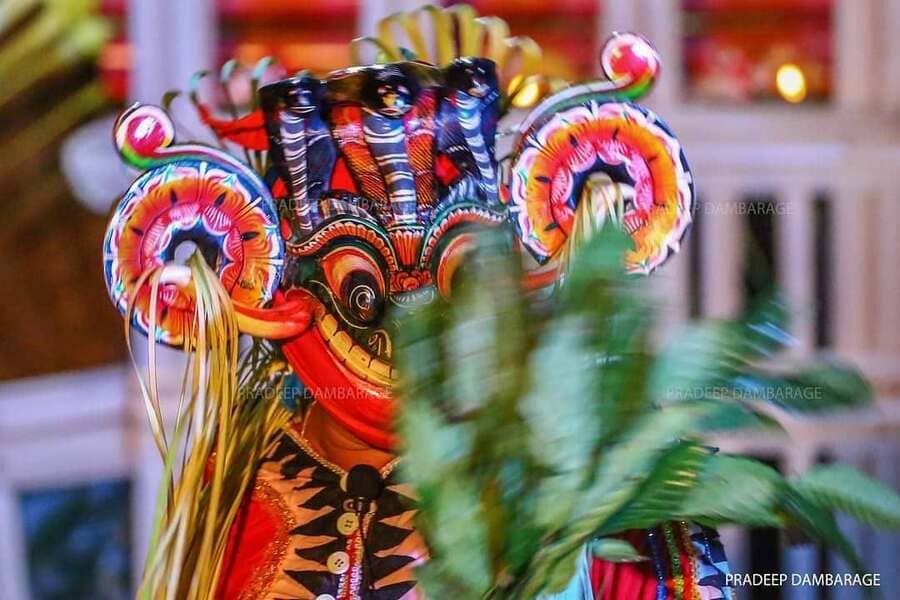
The visual impact of the sri lankan devil dance extends beyond the masks to include elaborate full-body costumes. Performers typically wear layered skirts of white cloth, decorated headdresses adorned with peacock feathers, silver ornaments, and hanging beads. The costumes are designed to create maximum visual drama, as movement causes the decorative elements to sway, shimmer, and catch firelight during night ceremonies.
The performers themselves belong to a specific caste group known as the Berava, who have traditionally held hereditary rights to perform these ceremonies. Training begins in childhood and involves years of apprenticeship learning both the physical choreography and the extensive body of chants, myths, and ritual procedures that give the performance its sacred power.
The musical ensemble accompanying the dance typically includes the yak beraya drum, the dawula (a barrel drum), and the tammattama (a pair of small kettledrums). The interplay between these instruments creates complex polyrhythmic patterns that are inseparable from the ritual's spiritual efficacy.
Where to Watch Yakun Natima in Sri Lanka
For those interested in witnessing this extraordinary tradition firsthand, several locations offer authentic or educational experiences.
Ambalangoda
The coastal town of Ambalangoda in the Southern Province is widely regarded as the heartland of traditional mask-making and devil dance sri lanka performance. The town is home to specialist mask carvers whose workshops welcome visitors, and several cultural institutions here have preserved and documented the Yakun Natima tradition. The Ariyapala and Sons Mask Museum in Ambalangoda houses an impressive collection of traditional masks and provides demonstrations of the carving process.
Southern Sri Lanka Villages
Authentic yakun natima sri lanka ceremonies are still performed in villages throughout the Southern, Sabaragamuwa, and Western provinces of Sri Lanka. While these are generally private events conducted for specific patients and families, local cultural organizations and knowledgeable guides can sometimes arrange respectful opportunities for visitors to observe portions of genuine ceremonies with the permission and cooperation of the community.
Cultural Festivals and Museums
The National Museum in Colombo maintains a significant collection of traditional masks and materials related to sri lanka traditional devil dance rituals. Several annual cultural festivals in the Galle and Matara districts feature demonstrations of traditional dances including elements of Yakun Natima, offering visitors accessible introductions to this tradition.
Is Yakun Natima Still Practiced Today?
Despite the pressures of modernization and changing social attitudes toward traditional spiritual practices, Yakun Natima remains very much alive in Sri Lanka today. While it is less commonly performed in urban areas, traditional ceremonies continue to take place regularly in rural communities throughout the Southern and Western provinces.
Contemporary practitioners of the sri lanka devil dance ritual navigate a nuanced cultural landscape. Some families continue to request full traditional ceremonies for their members, particularly in cases where conventional medicine has not resolved a health issue. At the same time, there is growing recognition of the cultural and artistic value of the tradition, leading to increased support from cultural preservation organizations, the Sri Lanka Department of Cultural Affairs, and institutions such as UNESCO, which has acknowledged similar intangible cultural heritage traditions across Asia.
Younger generations of Berava performers are also finding new contexts for the art form, including cultural exhibitions, educational demonstrations, and artistic adaptations, ensuring that the core knowledge and skills of Yakun Natima are transmitted even as the social context evolves.
Frequently Asked Questions About Yakun Natima
What does Yakun Natima mean?
Yakun Natima is a Sinhala term that translates roughly to "demon dance" or "devil dance." "Yaku" refers to supernatural beings or demons in traditional Sri Lankan belief, and "natima" means dance or performance. The full phrase thus describes the ritual dance performed in relation to these spirit beings.
Is Yakun Natima a religious ceremony?
Yakun Natima exists at the intersection of religion, medicine, and performing art. It draws from pre-Buddhist animist traditions, Hindu cosmology, and folk Buddhist beliefs simultaneously. While it is not formally part of mainstream Theravada Buddhist practice, it coexists with Buddhism in Sri Lankan culture and is not considered incompatible with Buddhist belief by those who practice it.
Is Yakun Natima different from Sanni Yakuma?
Yes, though the two are closely related. Yakun Natima is the broader term for exorcism and devil dance rituals in Sri Lanka, while Sanni Yakuma is a specific type of ceremony focused on the eighteen Sanni demons associated with specific diseases. Sanni Yakuma is among the most elaborate and well-known forms of the sri lankan devil dance tradition and is sometimes performed specifically for healing illness.
Where can tourists see a devil dance in Sri Lanka?
Ambalangoda is the most accessible destination for visitors interested in the devil dance sri lanka tradition, with mask museums, carving workshops, and cultural demonstrations available. Colombo's National Museum and southern cultural festivals also offer opportunities. For a more authentic experience, connecting with community cultural organizations through responsible sri lanka local tours operators can open doors to respectful participation in or observation of genuine events.
Are Sri Lankan devil dances still used for healing?
Yes. While the practice has decreased in frequency, particularly in urban Sri Lanka, Yakun Natima ceremonies are still performed as healing rituals in rural and traditional communities. Many Sri Lankans continue to have faith in the spiritual efficacy of these ceremonies, and practitioners maintain that the tradition's healing power remains relevant and effective for those who approach it with belief and proper respect.
Yakun Natima is one of Sri Lanka's most profound cultural inheritances: a living tradition that bridges the ancient and the modern, the spiritual and the artistic, the individual and the community. For anyone seeking to understand the true depth of Sri Lankan culture beyond its beaches and temples, this extraordinary sri lanka traditional devil dance offers a window into a worldview that has shaped island life for millennia.