
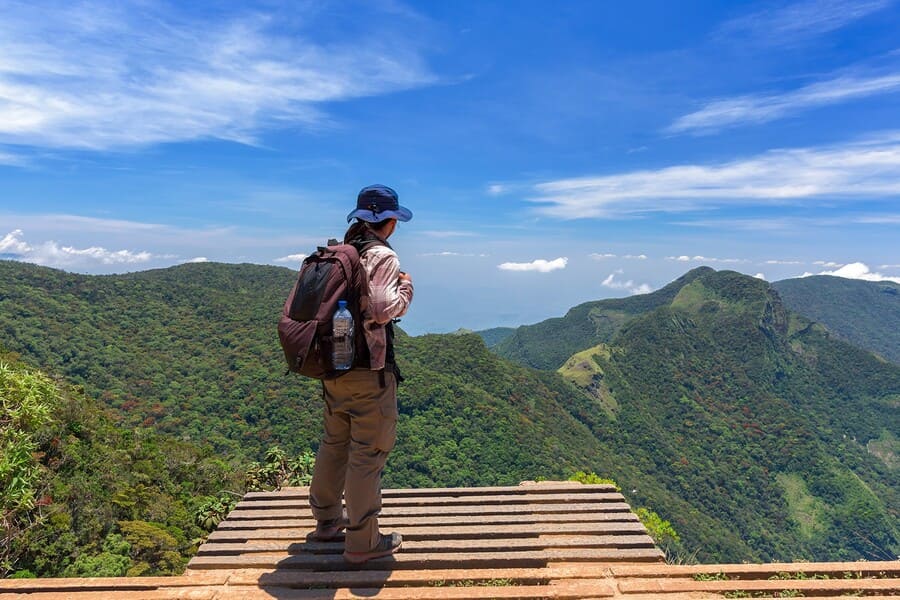
Nestled high in the central highlands of Sri Lanka, Horton Plains National Park stands as one of the island's most awe-inspiring natural destinations. Whether you are an avid hiker, a wildlife enthusiast, or simply a traveler drawn to dramatic landscapes, this ancient plateau offers an experience unlike anywhere else in South Asia.
Visitors who explore Sri Lanka local tours often find that Horton Plains ranks among the most memorable stops on their itinerary, and for good reason. From misty grasslands to thundering waterfalls and cliff-edge viewpoints that drop into sheer infinity, every step through this remarkable reserve reveals a new layer of wonder.
What Is Horton Plains National Park?
Horton Plains National Park is a protected wilderness area located on the central plateau of Sri Lanka, sitting at an elevation between 2,100 and 2,300 meters above sea level. Covering approximately 3,160 hectares, it is one of the most ecologically significant protected areas in the country. The park is characterized by open montane grasslands, cloud forests, cascading waterfalls, and dramatic escarpments that fall away sharply to the lowlands below.
The landscape here is unlike anything found in the coastal or lowland regions of Sri Lanka. Cool temperatures, frequent mist, and a unique blend of highland flora and fauna make it feel like a world apart. The park is protected under Sri Lanka's national wildlife conservation laws and is strictly managed to preserve its fragile ecosystem.
Where Is Horton Plains National Park in Sri Lanka?
Horton Plains National Park Nuwara Eliya is the most common geographic association travelers make, and rightly so. The park lies approximately 32 kilometers southeast of Nuwara Eliya, the hill-country town famously known as "Little England" for its colonial-era character and cool climate. The park falls within the Nuwara Eliya District of Central Province, making it highly accessible from several major tourist hubs in the region.
The nearest town to the park entrance is Ohiya, a small railway station village that serves as a convenient base for early morning visitors. The park sits at the heart of the island's mountain spine, surrounded by tea estates and misty forests.
Why Is Horton Plains National Park a UNESCO World Heritage Site?
In 2010, Horton Plains National Park was inscribed as part of the Central Highlands of Sri Lanka UNESCO World Heritage Site, alongside Knuckles Mountain Range and Peak Wilderness Sanctuary. This designation was granted due to the area's exceptional biodiversity, its role as a critical watershed for Sri Lanka's major rivers, and the presence of a high number of endemic species found nowhere else on Earth.
The park's cloud forests represent one of the last remaining patches of montane wet evergreen forest in South Asia. These ecosystems are critically important for carbon sequestration, freshwater regulation, and the preservation of species that have evolved in isolation over millions of years. The UNESCO status underlines the global significance of protecting this highland wilderness.
A Brief History of Horton Plains National Park
The plateau takes its name from Sir Robert Wilmot-Horton, a British Governor of Ceylon who served in the 1830s. During the colonial era, parts of the highlands were cleared for coffee and later tea cultivation, but the central plateau remained largely intact due to its challenging terrain and climate.
The area was first designated as a wildlife sanctuary in 1969, offering initial protections for its unique flora and fauna. It was later elevated to full national park status in 1988, bringing stronger conservation measures and regulated visitor access. Today, the Sri Lanka Department of Wildlife Conservation oversees park management and enforces strict rules to maintain ecological integrity.
Top Attractions in Horton Plains National Park
World's End
World's End is the undisputed highlight of any visit to Horton Plains National Park. This dramatic escarpment drops almost vertically for approximately 870 meters to the lowland plains below. On a clear morning, the view stretches for kilometers across the valleys and tea-covered hills, with the distant coastline occasionally visible on especially clear days.
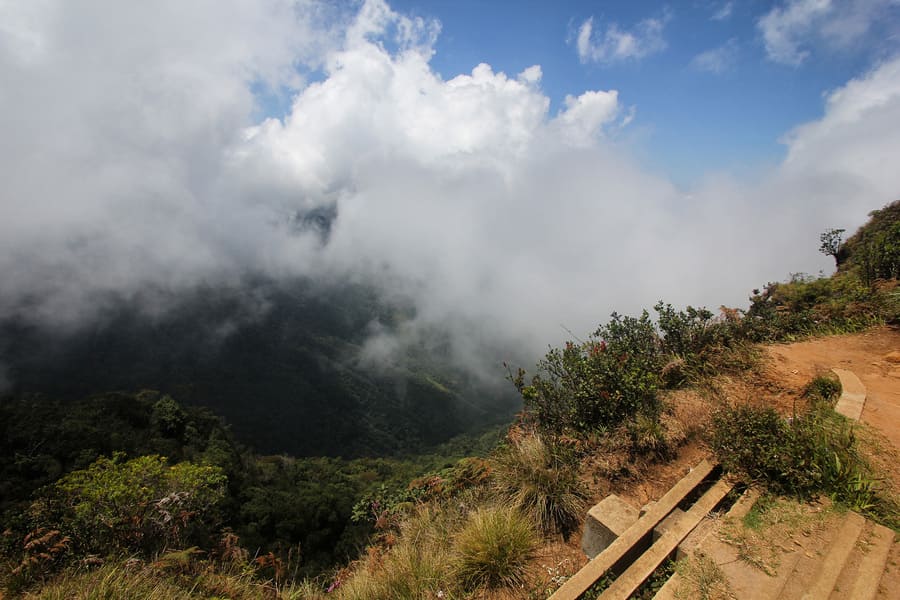
Experienced travelers will advise arriving early, ideally before 9:00 AM, because clouds typically roll in by mid-morning and obscure the view entirely. The walk from the park entrance to World's End covers about 4 kilometers and is well worth every step.
Baker's Falls
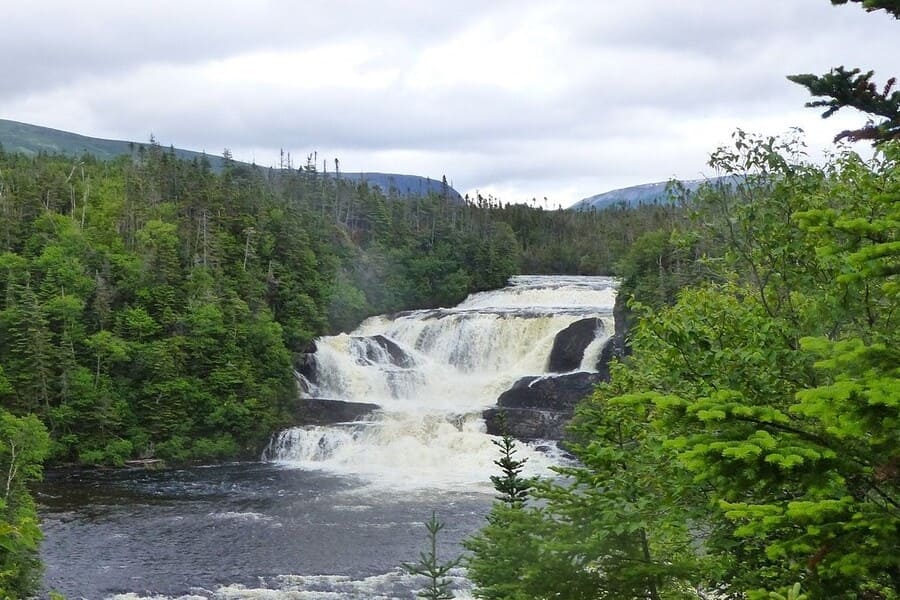
Baker's Falls is a stunning 20-meter waterfall that tumbles over rocky outcrops into a clear pool below. Named after Sir Samuel Baker, a British explorer who visited the highlands in the 19th century, the falls sit along the main circular trail and offer a refreshing and scenic pause during the hike. The surrounding vegetation is dense and lush, providing an excellent habitat for birds and small mammals.
Mini World's End
Located along the trail before reaching the main viewpoint, Mini World's End offers its own impressive cliff-edge views. While the drop here is less dramatic than World's End, roughly 270 meters, the panoramic views of the surrounding highlands are genuinely breathtaking. It serves as a perfect warm-up viewpoint before the main event.
Chimini Pool
Chimini Pool is a serene freshwater pool formed along the river that eventually feeds Baker's Falls. The pool is surrounded by montane forest and is a peaceful spot to rest during the hike. The water is clear and cold, reflecting the surrounding canopy of trees and the open sky above. Wildlife sightings near the pool are common, particularly early in the morning.
Belihul Oya Headwaters
The Horton Plains National Park serves as the primary watershed for several major rivers in Sri Lanka, including the Walawe, Kelani, and Mahaweli. The headwaters of the Belihul Oya river originate within the park, and visitors can observe the stream flowing through the open grasslands and into the forested sections below. This hydrological importance reinforces why the park's conservation is so critical for the entire country.
Horton Plains National Park Hiking Trail
Trail Distance and Duration
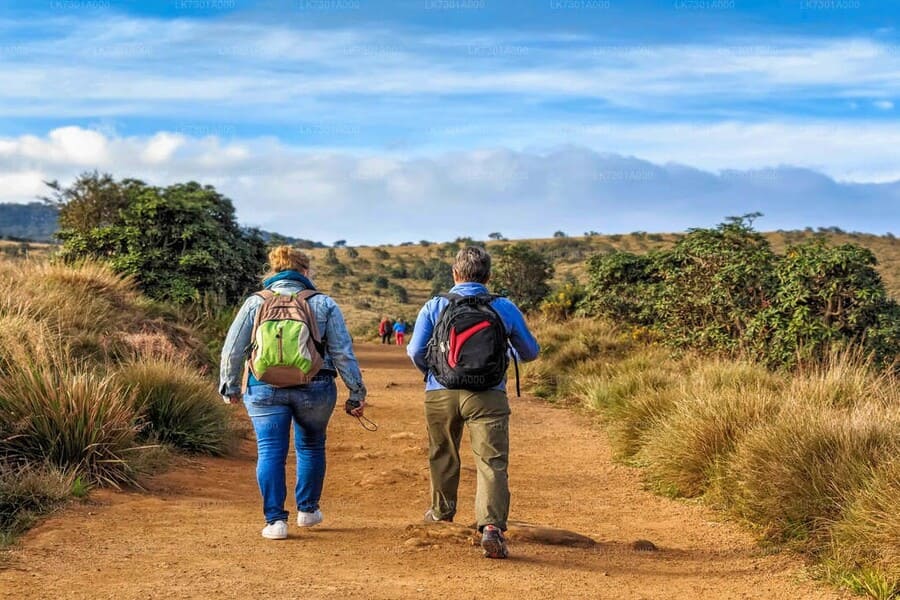
The main circuit trail within Horton Plains National Park covers approximately 9.5 kilometers in a circular loop. Most visitors complete the full circuit in 3 to 4 hours, depending on their pace and how long they stop at viewpoints and waterfalls. The trail is well-marked and does not require a guide, though rangers are stationed at key points.
Trail Difficulty
The trail is generally rated as easy to moderate. The terrain is mostly flat with gentle undulations across the open grasslands, transitioning into slightly more uneven forest paths near the falls and escarpments. The altitude means that some visitors, particularly those unaccustomed to highland environments, may feel slightly short of breath, but this usually passes quickly with a steady pace.
What to Expect Along the Circular Route
Starting at the main gate, the trail moves through open patana grasslands before entering cloud forest sections that lead to Mini World's End. From there, it continues to the main World's End viewpoint, then loops around through forest to reach Baker's Falls. The return leg brings walkers back through grasslands to the entrance. The variety of landscapes along the route means that no two sections feel the same.
Hiking Tips for First-Time Visitors
Start as early as possible, ideally at gate opening time (6:00 AM), to enjoy clear views before the mist arrives. Dress in layers since the temperature at the plateau can be significantly cooler than at sea level, especially in the early morning. Carry waterproof clothing as sudden rain showers are common throughout the year. Bring sufficient water and snacks as food options inside the park are limited. Wear sturdy, comfortable walking shoes with good grip. Photography is best in the early morning golden light before cloud cover sets in.
Horton Plains National Park Entrance Fee
As of the most recent updates, the entrance fees for Horton Plains National Park are set by the Sri Lanka Department of Wildlife Conservation. Foreign adult visitors pay approximately USD 25 to USD 30 per person, which includes the standard conservation levy and service charges. Children are typically charged at a reduced rate. Fees are subject to change, and visitors are advised to confirm current rates at the park gate or through the Department of Wildlife Conservation before visiting. SAARC nationals and Sri Lankan citizens receive discounted rates.
Vehicles entering the park are also subject to a separate fee. Entry tickets must be purchased at the gate, and the park operates on a cash basis, so it is advisable to carry sufficient local currency.
Horton Plains National Park Animals
The wildlife of Horton Plains National Park animals represents one of the most unique assemblages of endemic species found in any South Asian protected area. The park's isolation at high altitude has allowed many species to evolve independently over millennia.
Sri Lankan Sambar Deer
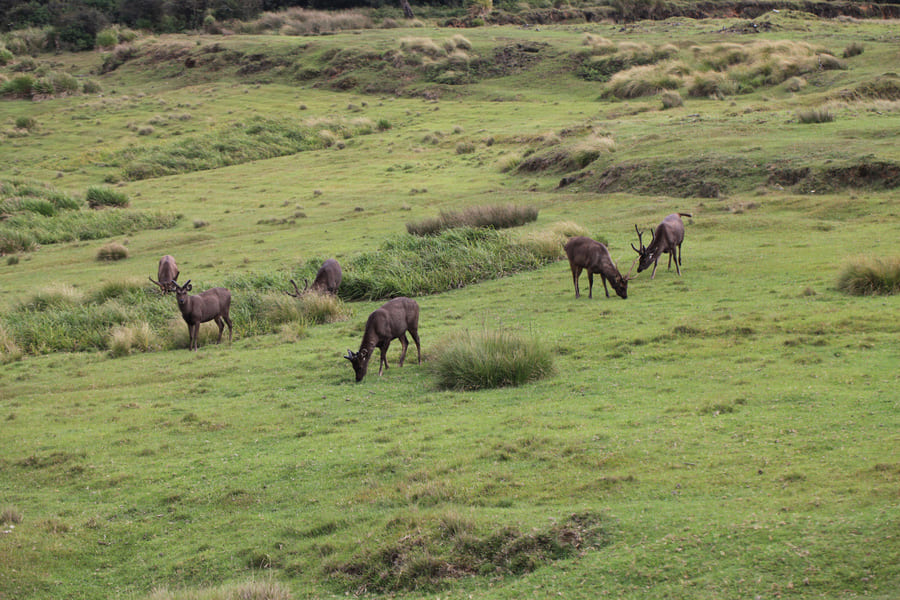
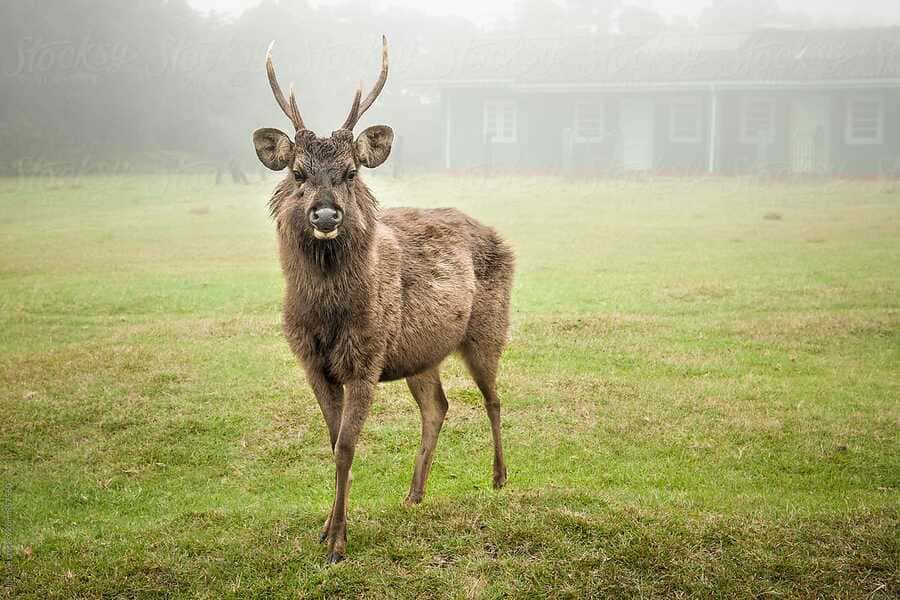
The most commonly spotted large mammal in the park is the Sri Lankan Sambar Deer (Rusa unicolor unicolor). These large, shaggy deer roam the open grasslands in small herds, often visible from the main trail. They are most active during early morning and late afternoon. Seeing a herd of Sambar grazing against the mist-covered grasslands is one of the most iconic wildlife images of the Horton Plains plateau.
Purple-Faced Langur
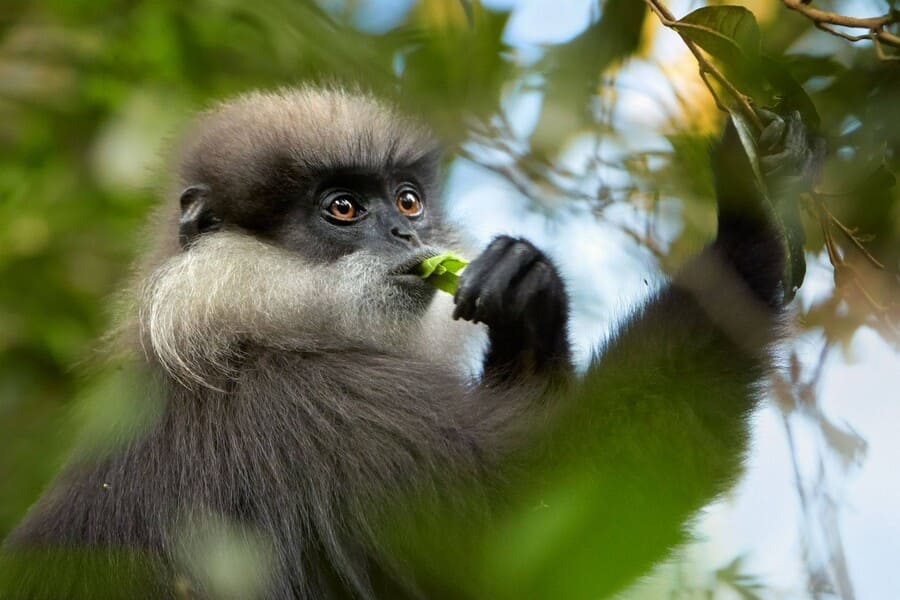
The endangered Purple-Faced Langur (Trachypithecus vetulus nestor) is a striking primate endemic to Sri Lanka. The highland subspecies found within the park is one of the rarest primates in the world. These long-tailed, dark-furred monkeys move through the cloud forest in small family groups and can occasionally be spotted at the forest margins along the hiking trail.
Endemic Birds
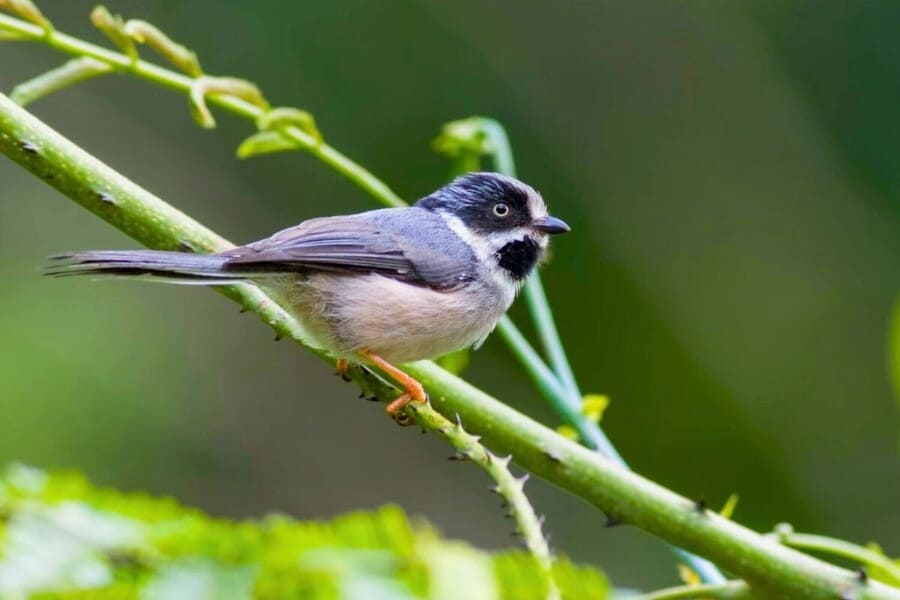
Horton Plains National Park is a paradise for birdwatchers. The park is home to several endemic bird species including the Sri Lanka Bush Warbler, Dull-blue Flycatcher, Sri Lanka Whistling Thrush, and the Yellow-eared Bulbul. The Painted Bush Quail and the Sri Lanka Wood Pigeon are also sighted within the park. Bird enthusiasts should bring binoculars and a field guide to make the most of the birdwatching opportunities, particularly in the cloud forest sections of the trail.
Reptiles, Amphibians, and Other Wildlife
The park harbors a remarkable diversity of reptiles and amphibians, many of which are endemic to the central highlands. The Hump-nosed Lizard and several species of endemic geckos are found here. The Sri Lanka Leopard (Panthera pardus kotiya), while extremely elusive, is known to inhabit the park, though sightings are rare. The Fishing Cat and several species of endemic shrews and rodents also inhabit the area. Dozens of endemic frog species thrive in the moist highland environment, making the park a significant site for herpetological research.
Best Time to Visit Horton Plains National Park
The best time to visit Horton Plains National Park is during the dry seasons, which fall between January and April and again between August and September. During these periods, the skies are clearer, particularly in the early morning hours, giving visitors the best chance of enjoying unobstructed views from World's End.
The park receives two monsoon seasons: the southwest monsoon from May to July and the northeast monsoon from October to December. During these months, rainfall is frequent and mist can be persistent throughout the day. However, the park remains open year-round, and the lush greenery during the wet season has its own appeal, particularly for photographers and nature lovers.
Regardless of season, the golden rule remains: arrive at the park gate when it opens at 6:00 AM. By 9:00 AM, cloud cover frequently settles over the plateau, obscuring the views at World's End for the remainder of the day.
How to Get to Horton Plains National Park
From Nuwara Eliya
Horton Plains National Park Nuwara Eliya is the most common starting point for visitors. The park entrance is approximately 32 kilometers from Nuwara Eliya town. The most convenient option is to hire a private tuk-tuk or taxi, which takes around 1 to 1.5 hours. Several guesthouses and hotels in Nuwara Eliya offer early morning transfers specifically timed for the park's opening hour. The road passes through scenic tea estates and small highland villages.
From Ella
From the popular backpacker town of Ella, visitors can take a train to Ohiya station, which is the closest railway stop to the park. From Ohiya, tuk-tuks are available for the short ride to the park entrance. Alternatively, a private vehicle or taxi can be hired from Ella directly, with the journey taking approximately 1.5 to 2 hours depending on road conditions.
From Kandy
From Kandy, the journey to Horton Plains National Park takes approximately 3 to 4 hours by private vehicle. Visitors typically travel via Nuwara Eliya and then continue to the park. An organized tour from Kandy can simplify logistics, particularly for those unfamiliar with the highland road network. Buses run from Kandy to Nuwara Eliya, from where local transport can be arranged for the final leg.
Frequently Asked Questions About Horton Plains National Park
Is Horton Plains National Park worth visiting?
Absolutely. Horton Plains National Park offers a combination of dramatic scenery, endemic wildlife, and cultural history that is genuinely rare anywhere in the world. The hike to World's End is a once-in-a-lifetime experience, and the park's UNESCO World Heritage status reflects its extraordinary global significance. For travelers exploring Sri Lanka's highlands, it is not optional; it is essential.
How long does it take to hike Horton Plains?
The full circular trail of approximately 9.5 kilometers typically takes between 3 and 4 hours at a comfortable, leisurely pace. Those who spend extended time at viewpoints and Baker's Falls may take closer to 4 to 5 hours. Plan to arrive at the gate by 6:00 AM and expect to finish the hike by mid-morning.
Can beginners hike the trail?
Yes. The trail is suitable for most fitness levels and does not require any technical hiking experience. The terrain is relatively flat and well-maintained. The main challenges are the altitude, which can cause mild breathlessness, and the cool, sometimes wet conditions. Comfortable walking shoes, layered clothing, and a moderate pace are all that most visitors need.
What animals can you see in Horton Plains National Park?
Horton Plains National Park animals include the Sri Lankan Sambar Deer, Purple-Faced Langur, Sri Lanka Leopard, Fishing Cat, and an exceptional variety of endemic birds, reptiles, and amphibians. Sambar Deer are the most frequently sighted large mammal, often seen grazing in the open grasslands early in the morning.
Do I need a guide to visit Horton Plains National Park?
A guide is not mandatory to hike the main circular trail, which is well-signed and easy to follow. However, hiring a local naturalist guide is highly recommended for those interested in wildlife identification, birdwatching, and understanding the ecology of the park in greater depth. Guides can be arranged at the park entrance or through accommodation in Nuwara Eliya or Ohiya.
Horton Plains National Park is more than a scenic hike. It is an encounter with one of the most ecologically significant and visually stunning wilderness areas in South Asia. Whether you stand at the edge of World's End watching mist drift across the valley below, or spot a herd of Sambar grazing quietly at dawn, the experience stays with you long after you descend from the plateau. Plan carefully, arrive early, and let Sri Lanka's highland wilderness reveal itself on its own terms.