
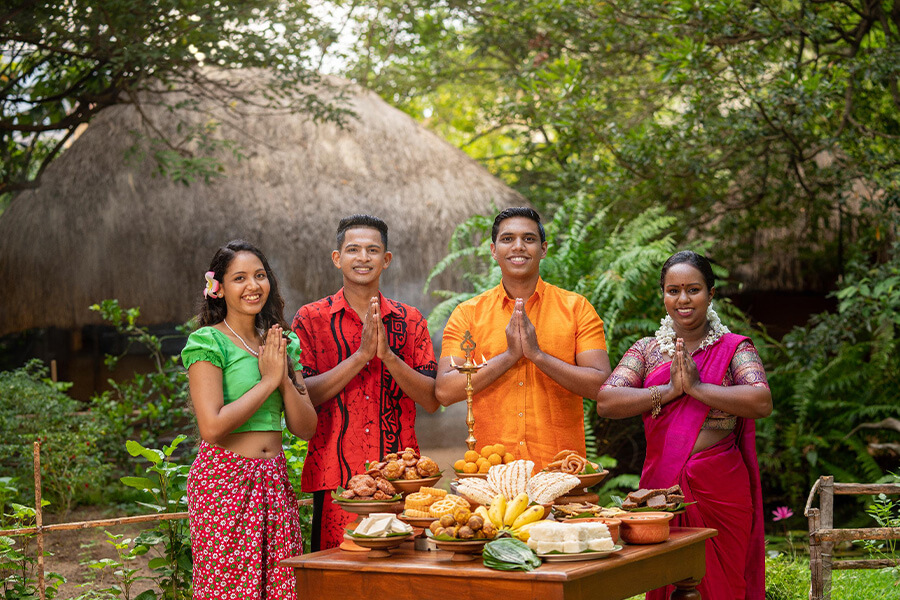
Travelers exploring the rich cultural tapestry of Sri Lanka often discover that few experiences capture the island’s harmonious spirit quite like the Tamil New Year. Whether you are joining Sri Lanka local tours or venturing independently, this vibrant celebration offers a profound window into Tamil heritage blended seamlessly with broader Sri Lankan traditions. The Tamil New Year Festival transforms homes, temples, and communities across the Northern and Eastern provinces into hubs of renewal, joy, and shared prosperity each April.
Puthandu, also widely recognized as the Tamil New Year, marks the first day of the Chithirai month in the traditional Tamil solar calendar. It typically falls on April 14, aligning closely with the Sinhala New Year and creating one of the most inclusive new year festival in Sri Lanka. Families rise before dawn, adorn their homes with intricate kolam patterns, and gather for rituals that have endured for centuries. For visitors, participating in these moments reveals the deep respect Tamils hold for nature, family, and cosmic cycles.
What is Tamil New Year?
The Tamil New Year is fundamentally a solar festival rooted in astronomical precision. It signals the sun’s transition from the zodiac sign of Pisces (Mina Rashi) into Aries (Mesha Rashi), heralding the start of the Tamil month of Chithirai. Unlike lunar-based festivals, Puthandu follows the solar calendar, ensuring its date remains remarkably consistent year after year.
In Sri Lanka, the Tamil New Year carries added layers of meaning for the Tamil community, who form a significant portion of the population in Jaffna, Batticaloa, Trincomalee, and beyond. It serves as both a personal and collective reset, a time when households cleanse physically and spiritually while expressing gratitude for the previous year’s harvest. The festival emphasizes balance, community bonding, and hope for abundance in the months ahead.
Cultural Significance of Tamil New Year
The cultural weight of the Tamil New Year extends far beyond dates on a calendar. It embodies Tamil identity, resilience, and connection to ancestral lands in Sri Lanka. For many families displaced or affected by historical events, Puthandu becomes a powerful reaffirmation of continuity and unity. The Tamil New Year Festival reinforces values of generosity, respect for elders, and harmony with nature, themes that resonate deeply in a multicultural nation like Sri Lanka.
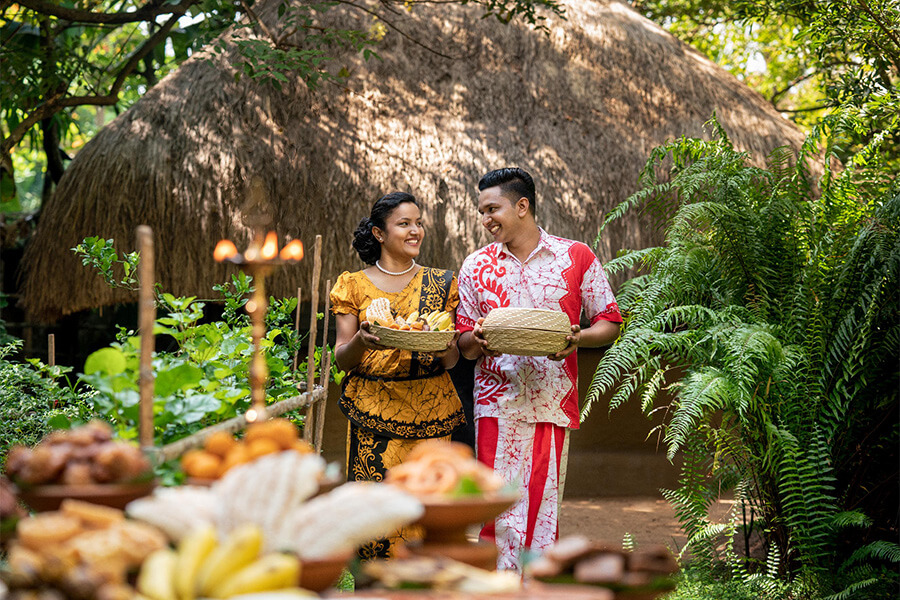
Observers note how the festival promotes inter-community understanding, as Tamil and Sinhalese households often exchange sweets and well-wishes during this shared holiday period. This cross-cultural warmth underscores why the new year festival in Sri Lanka stands out as a beacon of togetherness. According to Sri Lanka Local Tours, the Tamil New Year consistently ranks among the most requested cultural immersions for international visitors seeking authentic experiences rather than surface-level tourism.
The History and Origins of Puthandu
The roots of Puthandu trace back more than two millennia to the Sangam period of ancient Tamil literature. References in classical texts such as the Purananuru and Tolkappiyam describe the sun’s entry into the Mesha constellation as the beginning of the agricultural year. Early Tamils, primarily an agrarian society, marked this transition with rituals to ensure bountiful harvests and protection from seasonal challenges.
Legends further enrich the origins of the Tamil New Year. One prominent narrative credits Lord Brahma with initiating the Tamil calendar on this auspicious day, while another associates the sage Agastya with bringing the festival’s traditions southward. Over centuries, these beliefs evolved into structured observances that traveled with Tamil communities across the Indian Ocean, taking firm hold in Sri Lanka.
In Sri Lanka, Puthandu adapted to local contexts while preserving its core essence. Historical records show Tamil kings and later colonial influences shaped its expression, yet the festival retained its focus on solar astronomy and harvest cycles. The alignment with the Sinhala New Year, both occurring when the sun crosses the celestial equator, fostered parallel yet distinct celebrations that now coexist harmoniously.
Experts in Sri Lankan ethnology highlight how Puthandu survived periods of upheaval, serving as a quiet anchor for cultural preservation among Tamil families. Its endurance testifies to the festival’s adaptability and the community’s commitment to passing traditions to younger generations. Today, the Tamil New Year Festival in Sri Lanka stands as living history, inviting respectful visitors to witness practices that have remained remarkably consistent since ancient times.
Celebrating Puthandu in Sri Lanka
Experiencing Puthandu in Sri Lanka offers travelers an intimate glimpse into daily life elevated by ritual and festivity. The Northern Province, particularly Jaffna, provides the most concentrated and authentic celebrations, though Tamil communities across the island observe the day with equal devotion. The atmosphere shifts noticeably in the days leading up to April 14, with markets bustling for fresh ingredients and homes undergoing thorough cleaning.
How Tamil New Year is Celebrated in Sri Lanka
Celebrations begin the evening before with thorough house cleaning and decoration. Families draw elaborate kolam designs at entrances using rice flour to welcome prosperity and ward off negativity. Mango leaves strung across doorways add a touch of greenery symbolizing growth and vitality.
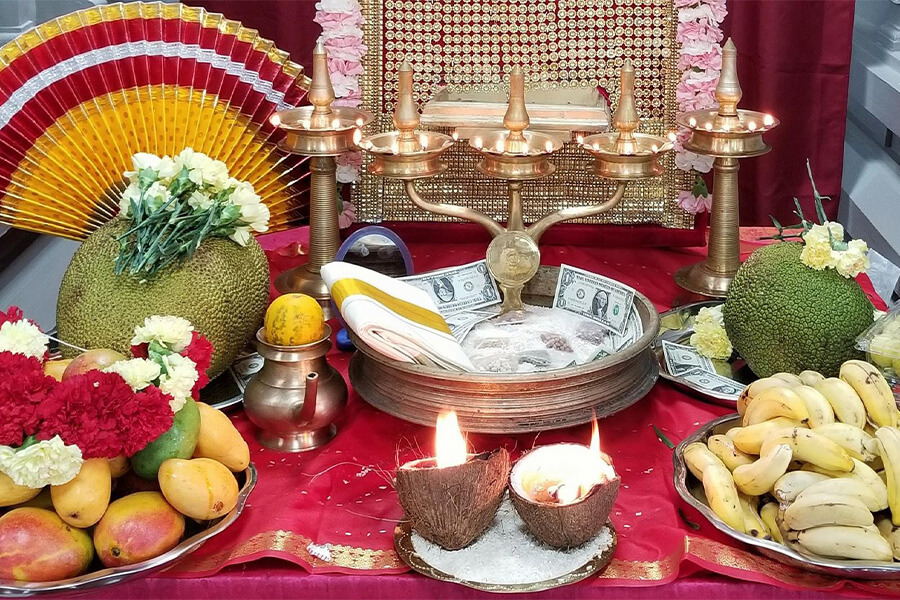
On the morning of Puthandu, the first sight upon waking is the carefully arranged kani tray. This auspicious arrangement typically includes ripe mangoes, bananas, betel leaves, areca nuts, coins, a mirror, and fresh flowers. Viewing the kani first thing is believed to set a positive tone for the entire year. Families then proceed to an oil bath using sesame oil infused with medicinal herbs, followed by donning new clothes.
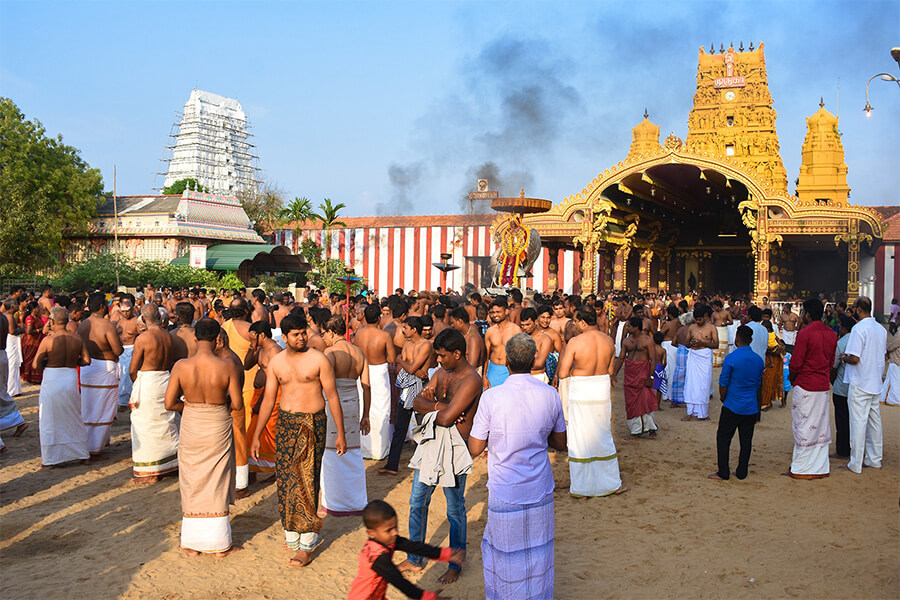
Temple visits form another cornerstone of the day. Devotees offer special prayers at Hindu kovils, seeking blessings for health, wealth, and harmony. In Jaffna, the Nallur Kandaswamy Temple and other prominent shrines see heightened activity, though the focus remains personal and familial rather than commercial.
Throughout the day, relatives visit one another, exchanging greetings of “Puthandu Vazthukkal” or “Iniya Puthandu Nalvazhthukkal.” Children receive small gifts or cash, reinforcing bonds across generations. The Tamil New Year in Sri Lanka thus weaves individual renewal with collective celebration, creating memories that endure long after the day concludes.
Traditional Customs and Rituals
Several time-honored customs define Puthandu observances in Sri Lanka. The oil bath, performed at an astrologically favorable hour, cleanses both body and spirit. Elders apply the oil while reciting prayers, and younger family members assist in the ritual, demonstrating respect for tradition.
Lighting the hearth at the precise auspicious moment holds particular importance. The first cooking fire of the Tamil New Year symbolizes the ignition of prosperity. Milk is boiled until it overflows, an act believed to invite abundance and ward off misfortune. The direction one faces while performing these acts often follows panchangam (almanac) guidance for optimal outcomes.
Another cherished custom involves elders blessing the young. Children touch the feet of parents and grandparents, receiving ashirvadham (blessings) and small tokens. This practice strengthens family hierarchies while fostering warmth and continuity.
For visitors guided by experienced operators, these rituals provide profound insights. Travelers learn not merely to observe but to appreciate the symbolic depth behind each action, enhancing their understanding of Tamil values centered on gratitude, humility, and forward-looking optimism.
Tamil New Year Feasts and Special Dishes
No Tamil New Year Festival is complete without its elaborate feast. The menu balances six tastes (sweet, sour, salty, bitter, pungent, and astringent) to mirror life’s varied experiences and promote holistic well-being. Central to the spread is manga pachadi, a unique preparation combining raw mango, jaggery, neem flowers or leaves, mustard seeds, and chilies. This dish’s complex flavor profile serves as a philosophical reminder that joy and challenge coexist.
Payasam, a creamy rice or lentil pudding sweetened with jaggery and flavored with cardamom, saffron, and nuts, appears in multiple variations. Medhu vadai (crispy lentil fritters) and ulundu bonda provide savory contrasts, often served with coconut chutney and sambar. Traditional rice dishes accompany vegetable poriyals, rasam infused with neem for its medicinal properties, and curd-based preparations.
Sweets such as laddu, halwa, or simpler milk-based treats round out the meal. In Sri Lankan Tamil households, these recipes may incorporate local ingredients like fresh coconut and palm jaggery, adding distinctive regional notes. Families prepare large quantities to share with neighbors, reinforcing community ties.
Travelers fortunate enough to join a home-hosted meal during Puthandu describe the experience as transformative. The aromas, the careful plating, and the shared storytelling around the table create connections that transcend language barriers. Practical tip: request milder spice levels if unaccustomed to Tamil cuisine, and always accept second helpings as a sign of appreciation.
Events and Festivities During Tamil New Year
While Puthandu remains primarily a home-centered festival, public and community events enrich the atmosphere across Sri Lanka. In Jaffna and Batticaloa, temples organize special abhishekam (ritual bathing of deities) and cultural performances featuring classical Bharatanatyam dance and Carnatic music recitals. Community halls host poetry readings, traditional storytelling sessions recounting Tamil epics, and youth programs that teach younger generations the significance of Puthandu rituals.
Larger towns may feature modest processions or decorated streets, though the emphasis stays on quiet reverence rather than spectacle. Some cultural organizations arrange open-house events where visitors can observe kolam drawing demonstrations or participate in simplified versions of family games. These activities provide safe, respectful entry points for tourists.
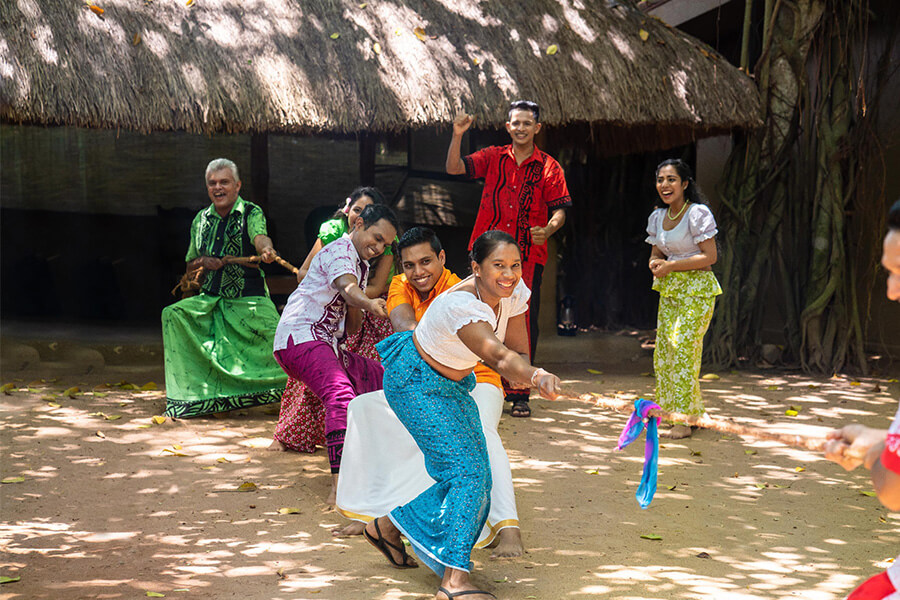
In Colombo and other urban centers with significant Tamil populations, restaurants and cultural centers occasionally host Tamil New Year pop-up feasts or music evenings. The new year festival in Sri Lanka thus extends its reach, allowing even short-term visitors to partake in the spirit of renewal. Evening gatherings often include folk songs celebrating the harvest and aspirations for the coming year, accompanied by the rhythmic beats of traditional instruments.
For those planning their itinerary, aligning travel with Puthandu offers layered experiences: serene morning rituals, vibrant midday feasts, and reflective evening cultural programs. The festival’s relatively low-key public profile compared to larger religious events allows for intimate, meaningful engagement rather than crowded tourist spectacles.
FAQs About Tamil New Year Festival in Sri Lanka
When exactly does the Tamil New Year fall in Sri Lanka?
Puthandu is observed on April 14 in most years, though the precise auspicious timing for rituals follows the Tamil panchangam and may shift slightly by a few hours. The public holiday usually covers April 13 and 14 to accommodate both Tamil and Sinhala observances.
Is the Tamil New Year a public holiday across all of Sri Lanka?
Yes, government offices, schools, and many businesses close for the shared Sinhala and Tamil New Year period, making it an ideal window for cultural travel nationwide.
Can non-Tamil visitors participate in Puthandu celebrations?
Absolutely. Tamil communities welcome respectful guests. Joining through reputable operators ensures proper etiquette guidance, from appropriate dress to participation protocols in home or temple settings.
What should travelers wear during Tamil New Year visits?
Modest clothing is essential. Women may opt for long skirts or salwar kameez, while men choose trousers and collared shirts. Traditional attire enhances the experience and shows respect.
Are there specific foods vegetarians should expect?
Most Tamil New Year dishes are naturally vegetarian. Expect rice, lentil preparations, vegetable stir-fries, and the signature manga pachadi. Confirm dairy usage if strictly vegan.
How does the Tamil New Year differ from the Sinhala New Year?
While dates align and some customs overlap, Tamil New Year emphasizes Hindu temple rituals and solar calendar specifics, whereas Sinhala traditions incorporate Buddhist elements and distinct sweetmeats. The shared timing fosters mutual respect and exchange.
What is the best way to experience authentic Puthandu in Jaffna?
Staying with local families or joining small-group cultural tours provides the most genuine immersion. Advance booking is recommended as accommodations fill quickly.
Do children play special roles during the festival?
Children actively participate by helping with decorations, receiving blessings, and enjoying family games. Many learn traditional songs and dances in preparation for the day.
Is it appropriate to take photographs during rituals?
Always ask permission first, particularly inside temples or private homes. Respectful photography of public decorations and kolam is generally welcomed.
How can the Tamil New Year enhance a broader Sri Lanka itinerary?
Scheduling travel around Puthandu allows seamless combination with beach relaxation in the East, wildlife safaris, or heritage site visits, all while gaining deeper cultural context that enriches every aspect of the journey.
This guide was created by Sri Lanka Local Tours, a premier tour operator specialized in immersive cultural and heritage experiences across the island. With years of expertise guiding travelers through authentic festivals like the Tamil New Year, the team ensures every visitor leaves with lasting appreciation for Sri Lanka’s living traditions. Whether planning your first visit or returning for deeper exploration, the Tamil New Year Festival promises memories rooted in warmth, wisdom, and wonder.