
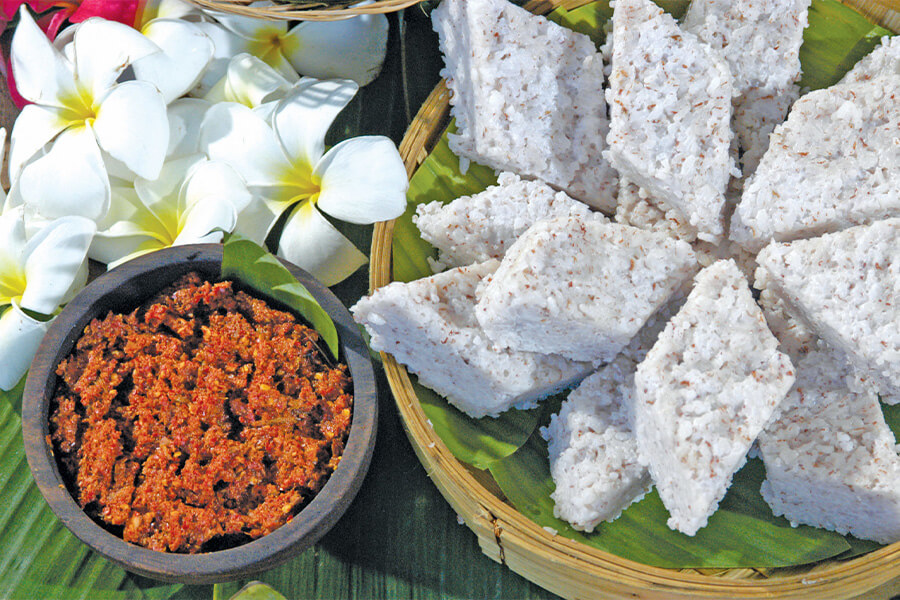
Embarking on a culinary journey through Sri Lanka reveals treasures like Kiribath, a dish that captures the essence of the island’s rich heritage in every creamy bite. This traditional preparation, often called Sri Lankan milk rice, stands as a cornerstone of daily and festive tables alike. When travelers connect with local tour operators in Sri Lanka, they frequently discover how Kiribath transforms simple ingredients into a symbol of warmth and celebration. Its subtle sweetness from coconut milk paired with the comforting texture of perfectly cooked rice makes Kiri bath an essential experience for anyone seeking authentic flavors.
As a travel writer who has savored this delicacy across countless villages and city eateries, I can attest that Sri Lankan kiribath offers far more than sustenance. It invites you into the heart of Sri Lankan hospitality, where food tells stories of prosperity, family bonds, and ancient traditions passed down through generations. In the following guide, we explore every aspect of Kiribath to help you appreciate and even recreate this must-try recipe at home or during your island adventures.
What is Kiribath? An Overview of Sri Lankan Milk Rice
Kiribath, literally translating to milk rice in Sinhala, represents one of the most cherished staples in Sri Lankan cuisine. At its core, Sri Lanka milk rice consists of rice gently simmered in coconut milk until it achieves a soft, creamy consistency that holds its shape when cut. Unlike ordinary steamed rice, Kiribath develops a velvety mouthfeel thanks to the natural fats in fresh coconut milk that coat each grain without turning the dish into a porridge. This balance of firmness and creaminess defines the perfect Kiri bath.
Historically, Kiribath traces its roots to the island’s ancient rice cultivation practices that date back over two thousand years. Sri Lanka’s fertile paddies, nourished by monsoon rains and intricate irrigation systems built by ancient kings, produced abundant harvests that inspired simple yet profound dishes like this one. Early records and oral traditions describe milk rice as a food prepared during harvest festivals and royal feasts, highlighting its status as a marker of abundance. Today, Sri Lankan kiribath remains equally relevant in modern kitchens, from bustling Colombo apartments to remote hill country homesteads.
What sets Kiribath apart from similar rice preparations in other Asian cultures is its deliberate use of thick coconut milk rather than dairy or thin broths. The result is a mildly sweet, aromatic dish that pairs beautifully with contrasting spicy accompaniments. In my travels, I have enjoyed versions where the rice retains a slight chew while the surface glistens with coconut essence. This texture contrast makes every spoonful satisfying.
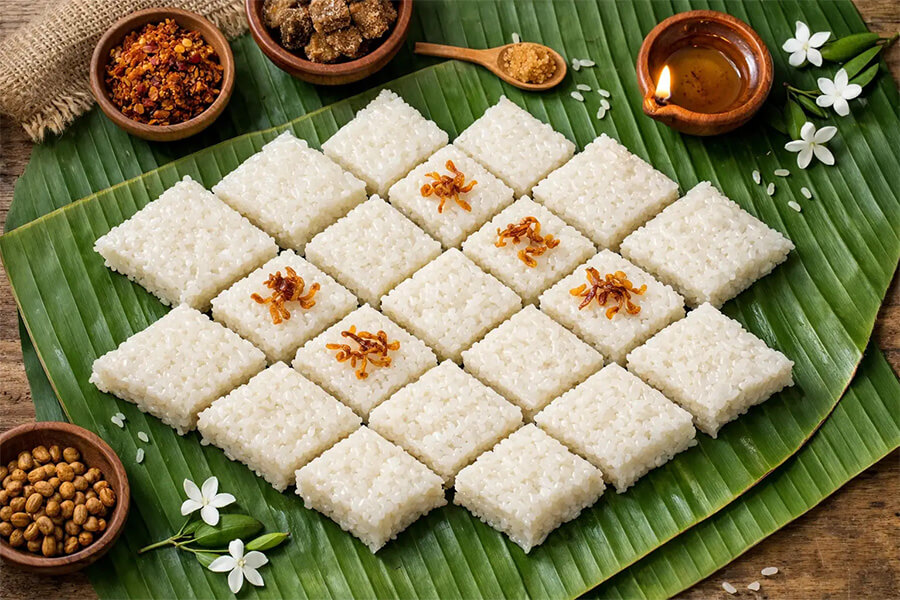
Kiribath typically serves as breakfast or a light meal, though it appears at any time when comfort or ceremony calls. Families prepare large batches for gatherings, cutting the cooled slab into elegant diamond shapes that showcase the dish’s clean, white appearance. For visitors new to Sri Lankan food, Sri Lankan milk rice provides an approachable entry point because its flavors remain gentle yet deeply comforting. The subtle fragrance of coconut evokes the island’s tropical breezes, while the rice delivers sustained energy perfect for long days of temple visits or beach explorations.
Many first-time tasters describe Kiribath as reminiscent of rice pudding but without added sugar, making it versatile for both sweet and savory pairings. Some households enhance the basic recipe with a pandan leaf during cooking to impart a delicate floral note, while others keep it minimalist to let the coconut shine.
Regardless of small tweaks, the fundamental identity of Kiribath endures as a celebration of simplicity and natural bounty. According to Sri Lanka Local Tours, this dish exemplifies how Sri Lankan cooking transforms everyday staples into meaningful cultural expressions that resonate with both locals and international guests.
The preparation process itself reflects Sri Lankan resourcefulness. Using only a handful of ingredients available in most island kitchens, cooks create something greater than the sum of its parts. This accessibility explains why Kiribath appears on breakfast tables on the first day of every month and during life’s important transitions. Its presence signals new beginnings, gratitude for the harvest, and hopes for continued prosperity.
The Significance of Kiribath in Sri Lankan Culture
In Sri Lankan society, Kiribath transcends its role as mere food to become a powerful cultural emblem. Families serve Sri Lankan milk rice during the Sinhala and Tamil New Year, known as Aluth Avurudda, where it marks the first meal of the new year. The creamy white color symbolizes purity and fresh starts, while the nourishing qualities represent wishes for health and abundance throughout the coming months. Elders often recount how their grandparents prepared Kiri bath in clay pots over wood fires, infusing the dish with an irreplaceable smoky aroma that modern gas stoves struggle to replicate.
Beyond annual celebrations, Sri Lankan kiribath features prominently in personal milestones. When a baby receives its first solid food, known as the imithiyam ceremony, a small portion of Kiribath blessed by monks or priests introduces the child to the family’s culinary traditions. Weddings feature elaborate spreads where Kiribath sits alongside fragrant curries, signifying the sweet and prosperous life the couple will build together. Even monthly observances on the first day call for Kiribath to bring good fortune and stability.
The dish also plays a devotional role. Temples and shrines receive offerings of Kiribath during full moon poya days and other religious festivals. Devotees present perfectly shaped portions as acts of merit, believing the purity of the ingredients carries their prayers. In rural communities, sharing Kiribath with neighbors during times of harvest or after completing a new home construction strengthens social bonds and expresses collective gratitude.
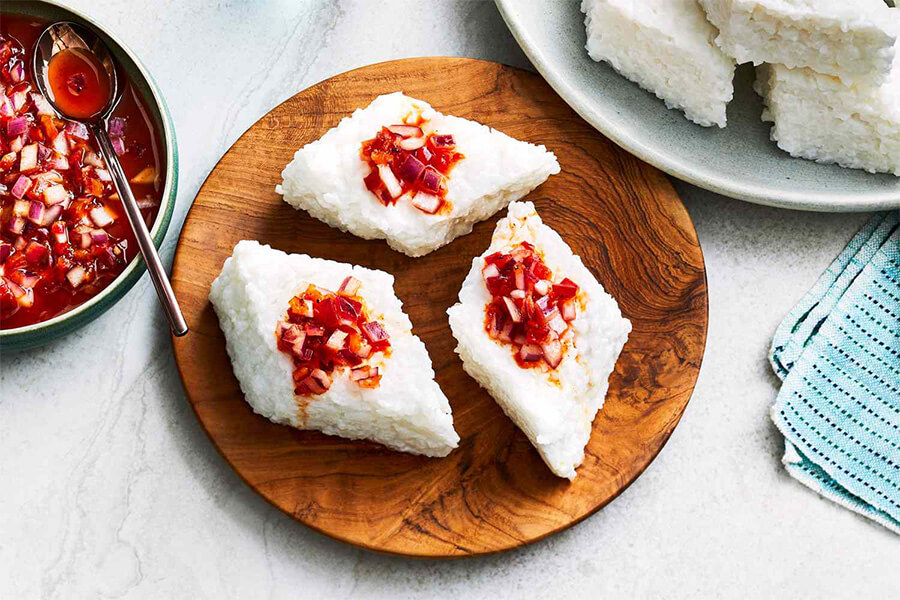
My experiences attending these occasions reveal the emotional depth attached to Kiribath. During one New Year gathering in the central highlands, the entire extended family gathered around a large banana leaf spread. The host cut the Kiribath with a special knife reserved only for auspicious foods, distributing pieces while exchanging blessings. The quiet reverence surrounding that moment underscored how food weaves into the fabric of identity and continuity.
Kiribath further embodies Sri Lanka’s agricultural heritage. Rice farming sustains millions of livelihoods, and transforming the harvest into milk rice honors the labor invested in every grain. Children learn the recipe early, standing on stools to stir the pot under grandmotherly supervision, ensuring traditions pass unbroken to the next generation. This educational aspect makes Sri Lanka milk rice more than sustenance. It becomes living history.
In contemporary Sri Lanka, urban professionals still seek out Kiribath on busy mornings because it provides comfort amid fast-paced life. Street vendors and upscale cafes adapt the recipe for quick service without compromising core qualities. For the diaspora community abroad, recreating Kiribath connects them to their roots during homesick moments or virtual family gatherings.
The cultural weight of Kiribath also influences tourism. Visitors participating in homestay programs often request to learn the preparation, gaining insight into daily rhythms that guide island life. Such interactions foster deeper appreciation for how seemingly simple dishes carry centuries of meaning. The enduring popularity of Kiribath across all social strata demonstrates its universal appeal while preserving its status as a sacred tradition.
Key Ingredients in Kiribath (Sri Lankan Milk Rice)
Creating authentic Kiribath begins with understanding its minimal yet precise ingredient list. The beauty of Sri Lankan milk rice lies in how these few components interact to produce complex flavors and textures.
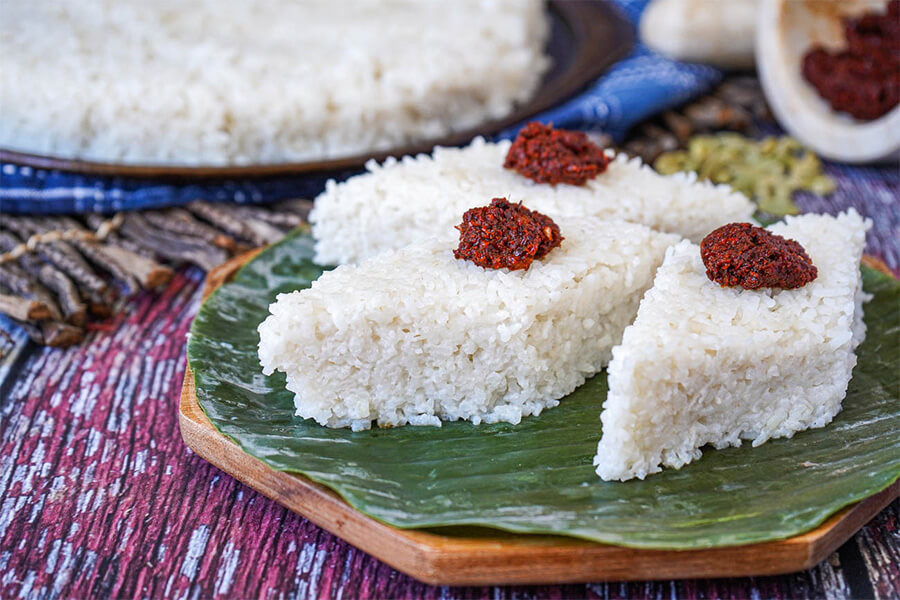
The Essential Ingredients for Making Kiribath
The foundation of any successful Kiribath is high-quality rice. Traditional cooks prefer kekulu haal, a short-grain raw rice variety widely available in Sri Lankan markets. This rice absorbs coconut milk beautifully while maintaining distinct grains that do not disintegrate during cooking. When kekulu rice proves difficult to source internationally, medium-grain white rice serves as a reliable substitute, though the final texture may be slightly softer. Avoid parboiled or long-grain varieties like basmati, as they fail to achieve the required creaminess.
Next comes coconut milk, the soul of the dish. Freshly squeezed thick coconut milk from mature brown coconuts delivers the richest results. The first press yields a dense liquid packed with natural oils that coat the rice grains and create that signature glossy finish. Canned coconut milk works well for convenience, but selecting brands without additives preserves authenticity. Some recipes call for a combination of thin and thick milk. The thinner first extraction cooks the rice initially, while the thicker portion finishes the dish.
Salt plays a crucial supporting role by balancing the natural sweetness of the coconut. A measured pinch enhances flavors without making the Kiribath taste savory like regular rice dishes. Optional aromatics such as a pandan leaf or a few curry leaves add subtle fragrance that many consider essential for traditional depth. These leaves release their essence slowly during simmering, infusing the entire pot with tropical perfume.
Water serves as the cooking medium that allows the rice to soften before the coconut milk enters. The precise ratio of water to rice determines whether the final Kiribath turns out too dry or overly wet. Clean, filtered water ensures no off-flavors interfere with the delicate profile.
How the Ingredients Contribute to the Dish’s Unique Flavor
Each component in Kiribath performs a specific function that collectively creates its distinctive character. The rice provides structure and neutral base that absorbs surrounding flavors without competing. Short-grain varieties contain higher amylopectin starch content, which encourages the grains to cling together gently after cooking, forming the cohesive yet sliceable mass characteristic of proper Kiri bath.
Coconut milk supplies richness and mild sweetness. Its medium-chain fatty acids lend a luxurious mouthfeel while the natural lauric acid contributes subtle floral notes reminiscent of fresh island breezes. When heated gently, these fats emulsify with the starch released from the rice, resulting in a silky sauce that clings to each grain rather than pooling at the bottom.
Salt sharpens the overall perception of flavors. Without it, Sri Lanka milk rice can taste flat despite the coconut’s presence. The mineral enhances the perception of sweetness and prevents the dish from becoming cloying.
Aromatics like pandan introduce complexity through volatile compounds that evaporate slowly, leaving a lingering fragrance that elevates the simple base. Their contribution remains understated yet unmistakable to those familiar with traditional preparations.
Together, these elements demonstrate why Sri Lankan kiribath achieves harmony with so few ingredients. The interplay of starch, fat, and subtle seasoning creates a dish greater than its parts, explaining its enduring place in both humble kitchens and fine dining interpretations across the island.
Step-by-Step Guide to Making Kiribath
Mastering Kiribath requires attention to timing and heat control more than complicated techniques. With practice, anyone can produce restaurant-quality results at home.
Preparing the Rice for Kiribath
Begin by measuring one cup of kekulu or suitable short-grain rice. Place the grains in a fine-mesh strainer and rinse under cool running water until the water runs mostly clear. This step removes excess surface starch that could otherwise make the finished Kiribath gummy. Many experienced cooks recommend soaking the rinsed rice for fifteen to twenty minutes. Soaking initiates hydration, allowing more even cooking and reducing total stovetop time.
After soaking, drain thoroughly. Transfer the rice to a heavy-bottomed pot to ensure even heat distribution. Add two and a half cups of water along with half a teaspoon of salt and a tied pandan leaf if using. The water level should sit approximately one inch above the rice. Bring the mixture to a gentle boil over medium heat, then reduce to low, cover, and simmer for ten to twelve minutes. At this stage, the rice should absorb most of the water and appear slightly undercooked with a firm center when tested between fingers. Avoid stirring vigorously during this phase to prevent breaking the grains.
Cooking the Milk and Rice Together
Once the rice reaches the partial-cook stage, prepare the coconut milk. If using fresh coconuts, grate the flesh and extract the thick milk through a cheesecloth, yielding about one and a half cups. For canned versions, shake the can well before opening to incorporate the separated cream.
Pour the thick coconut milk directly into the pot with the partially cooked rice. Add another quarter teaspoon of salt and stir gently with a wooden spoon to distribute evenly. Return the pot to low heat and cover partially to allow steam to escape. Simmer for another eight to ten minutes, stirring occasionally but carefully. The milk will gradually thicken as the rice finishes cooking and releases additional starch. Watch for the moment when small bubbles form around the edges and the mixture pulls slightly away from the sides of the pot. This visual cue indicates the Kiribath has reached proper consistency.
Achieving the Perfect Texture for Kiribath
The hallmark of excellent Kiribath is its ability to hold shape when portioned while remaining tender inside. If the mixture appears too wet after the final simmer, remove the lid and cook on very low heat for two additional minutes to evaporate excess liquid. Conversely, if the rice seems dry, sprinkle one or two tablespoons of warm coconut milk or water and cover for one minute to steam gently.
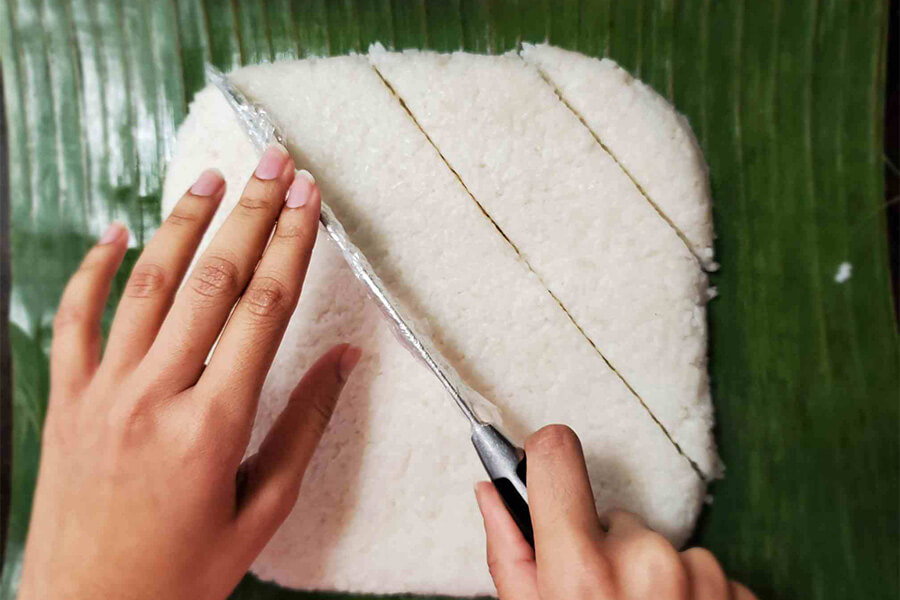
Remove the pot from heat and let it rest covered for five minutes. This resting period allows the starches to set and the flavors to meld. Transfer the hot Kiribath to a shallow dish or banana leaf-lined tray. Using a spatula dipped in water, press the mixture firmly into an even layer about one inch thick. Smooth the surface, then allow complete cooling at room temperature for at least thirty minutes. Once cooled, the Kiribath firms sufficiently to cut cleanly into diamonds or squares using a sharp knife wiped between cuts.
Common pitfalls include using excessive heat, which causes the bottom to scorch and imparts bitterness, or insufficient resting time, resulting in crumbly portions. With attention to these details, home cooks consistently achieve the silky yet sliceable texture that defines authentic Sri Lankan kiribath. The entire process takes roughly forty minutes from start to serving, making it practical even on busy mornings.
Where to Find Authentic Kiribath in Sri Lanka
Travelers seeking genuine Kiribath encounter it readily throughout the island, though quality varies by location and preparation method. In Colombo, established restaurants known for traditional breakfasts serve excellent versions alongside spicy accompaniments. Hotel buffets in major tourist areas frequently include Kiribath stations where chefs cut fresh portions on request, allowing guests to customize their experience with various sambols.
The cultural heartlands offer deeper immersion. In Kandy and surrounding hill country villages, family-run guesthouses prepare Kiribath using rice harvested from nearby paddies and coconuts from backyard trees. These homestay experiences often include watching or participating in the cooking process, providing memorable insights into daily life. During April’s New Year period, roadside stalls and temple grounds brim with freshly made Kiri bath, creating festive atmospheres perfect for photography and conversation with locals.
Coastal regions in the south and east present their interpretations, sometimes incorporating slight regional twists such as additional aromatic leaves. Galle and Matara areas feature boutique hotels that elevate the dish with artistic plating while respecting traditional methods. For the most authentic encounters, timing visits with full moon poya days or local harvest festivals maximizes opportunities to taste Kiribath prepared in time-honored ways.
Rural areas accessible through guided excursions reveal the purest expressions. Small eateries near ancient temples or along scenic train routes frequently offer Sri Lankan milk rice as part of simple yet satisfying breakfast spreads. These modest settings often yield the most flavorful results because cooks use ingredients sourced minutes from the kitchen.
No matter the setting, the key to memorable Kiribath lies in freshness and proper technique. Portions served warm with contrasting spicy relishes create the classic balance that has delighted palates for centuries. Exploring these venues while learning about accompanying traditions enriches any Sri Lankan itinerary and leaves lasting appreciation for this beloved national dish.
This guide was created by Sri Lanka Local Tours, a premier local tour operator in Sri Lanka specialized in immersive cultural and culinary experiences that connect travelers with the authentic traditions of the island.