

When embarking on Sri Lanka tour packages that blend cultural immersion with authentic local experiences, few dishes capture the heart of the island like hoppers. This iconic street food delight offers a unique combination of textures and flavors that has delighted travelers and locals for generations. Crispy at the edges yet soft and spongy in the center, hoppers deliver a subtle tang from fermentation paired with the creamy richness of coconut. As a travel expert who has explored every corner of Sri Lanka, I can attest that trying Sri Lankan hoppers ranks among the most memorable moments on any journey. From bustling night markets to quiet village kitchens, these versatile creations appear everywhere, proving why they remain a must-try for anyone seeking genuine Sri Lankan cuisine.
What Are Hoppers (Appa) in Sri Lankan Cuisine?
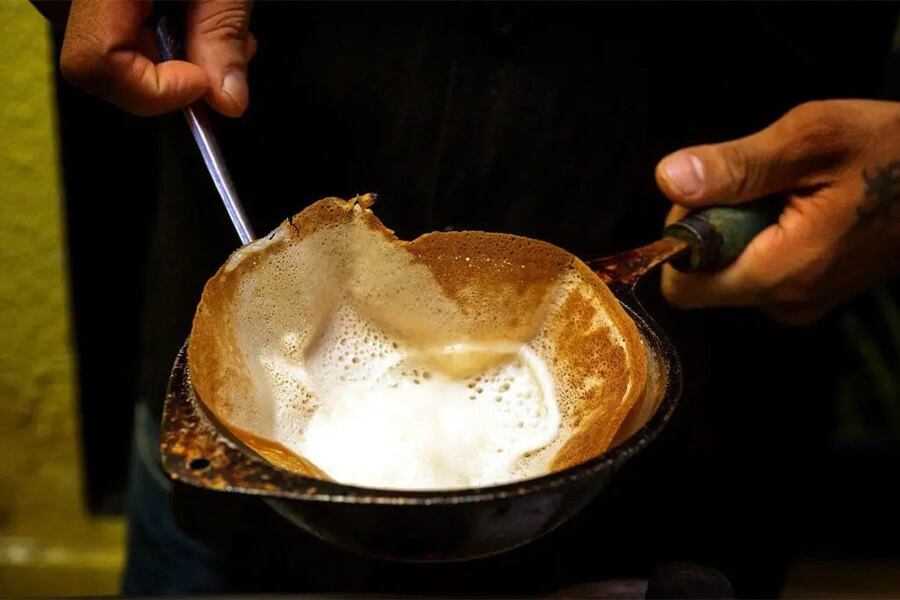
Hoppers, known locally as appa, represent a cornerstone of Sri Lankan cuisine. These bowl-shaped pancakes emerge from a fermented batter of rice flour and coconut milk. Skilled cooks pour the batter into a special curved pan called an appachatti, then swirl it to create thin, lacy edges while the center stays thick and airy. The result features golden, crisp rims that crackle with each bite and a soft, spongy middle that absorbs accompanying flavors beautifully.
The fermentation process gives hoppers their signature slight sourness, balancing the natural sweetness of coconut. Unlike ordinary pancakes, Sri Lankan hoppers hold their shape like a delicate cup, perfect for cradling toppings or eggs. Street vendors across the island prepare them fresh in minutes, often in batches over open flames, filling the air with an irresistible aroma that draws crowds at any hour.
In my extensive travels guiding visitors through Sri Lanka, I have watched countless first-timers experience that moment of delight when they tear into their first hopper. The contrast of textures surprises and satisfies, making hoppers far more than simple street fare. They embody simplicity elevated by tradition, using everyday ingredients transformed through time-honored techniques. Gluten-free by nature and relatively light at around 100 calories per plain serving, hoppers suit various diets while delivering satisfying nutrition from rice carbohydrates and healthy coconut fats.
Hoppers appear at breakfast, lunch, dinner, or as late-night snacks. Their adaptability shines through regional variations, where coastal areas might feature richer coconut milk while hill country versions lean toward milder fermentation. This versatility explains their enduring popularity among both busy urban workers grabbing a quick bite and families sharing meals together.
The History and Cultural Significance of Hoppers in Sri Lanka
The roots of hoppers trace back centuries to South Indian appam, carried across the Indian Ocean by ancient traders and settlers. Sri Lankan cooks adapted the recipe using abundant local coconuts, developing the distinctive fermented batter and bowl shape that define Sri Lankan hoppers today. Over generations, communities refined the dish, incorporating palm toddy in some regions for deeper tang or adjusting sweetness levels based on available ingredients.
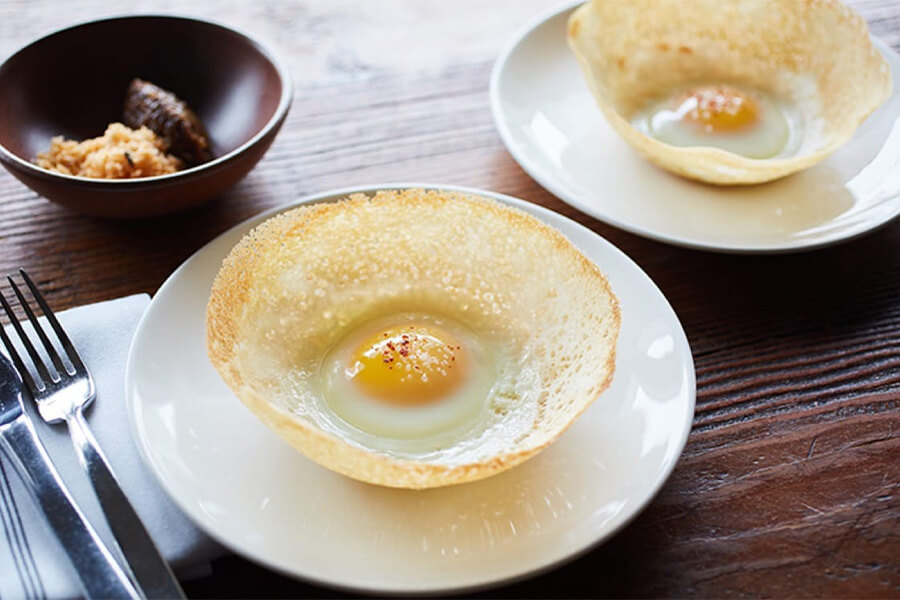
According to Sri Lanka Local Tours, hoppers hold deep cultural meaning beyond mere sustenance. They symbolize community and continuity in Sri Lankan life. Families gather around the pan as the cook swirls batter with practiced ease, passing fresh hoppers straight from the heat. This shared ritual strengthens bonds during festivals, daily meals, and special occasions alike.
In post-independence Sri Lanka, hoppers evolved into beloved street food. After the civil war ended in 2009, mobile vendors proliferated, especially in Colombo, where late-night hopper stalls serve workers and revelers until dawn. The “hopper man” with his array of sizzling pans became a familiar sight, representing resilience and entrepreneurial spirit.
Culturally, hoppers reflect Sri Lanka’s harmonious blend of influences. Sinhalese and Tamil communities both claim the dish proudly, each adding subtle twists while maintaining core techniques. Eating hoppers by hand, using only the right hand as tradition dictates, reinforces social customs and mindfulness during meals.
From my firsthand experience leading groups through rural villages and urban markets, I observe how hoppers bridge generations. Grandmothers teach grandchildren the perfect swirl, while young street vendors innovate with modern fillings yet preserve the authentic fermented base. This living tradition keeps hoppers relevant in contemporary Sri Lanka, appearing even on upscale hotel menus alongside refined curries.
The dish also ties to seasonal and religious practices. During Buddhist festivals or Hindu celebrations, sweet versions of hoppers feature prominently. In everyday life, the aroma of cooking hoppers signals comfort and home, evoking nostalgia for Sri Lankans living abroad. Their cultural significance lies in accessibility, affordability, and ability to unite people over simple yet profound flavors.
Types of Hoppers – Exploring the Different Varieties
Sri Lanka offers diverse hoppers varieties, each suited to different occasions and palates. Understanding these helps travelers fully appreciate the depth of this street food staple.
Traditional Hoppers (Appa) – The Classic Sri Lankan Delight
Traditional hoppers, or plain appa, form the foundation of all variations. Cooks prepare them from fermented rice flour batter with coconut milk, yeast or toddy, a touch of sugar, and salt. The result yields a light, tangy pancake with those signature crispy edges and spongy center.
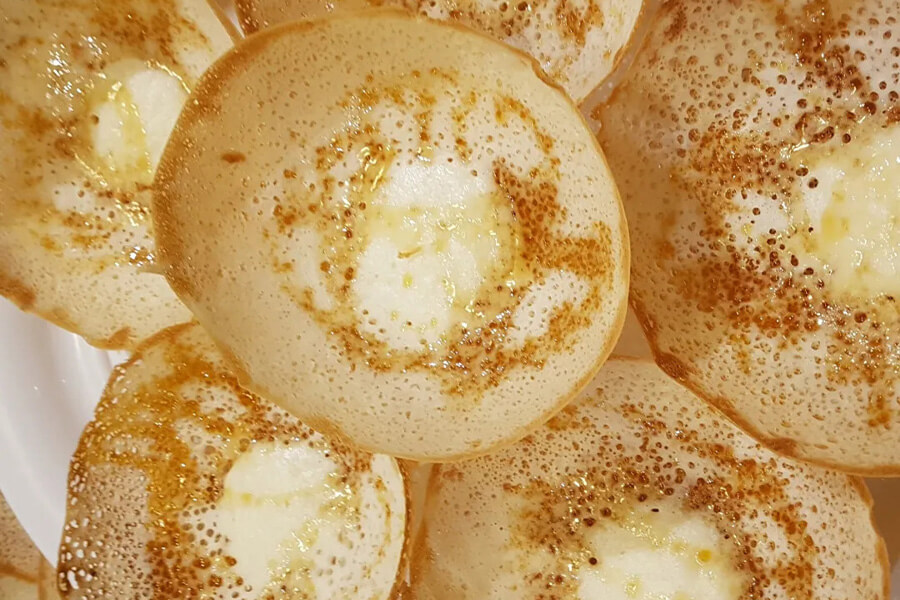
Locals enjoy traditional hoppers most often at breakfast or as an evening snack. Vendors serve them hot with simple accompaniments that let the hopper’s natural flavor shine. In my years of exploring Sri Lankan markets, I find the classic version best captures the essence of street food authenticity. The slight fermentation tang cuts through richness when paired with spicy sides, creating perfect balance.
Preparation requires patience, as proper overnight fermentation develops complex flavors impossible to replicate quickly. Street experts achieve consistent results through years of practice, adjusting batter consistency based on weather and rice quality.
Egg Hoppers – A Flavorful Twist on the Traditional Appa
Egg hoppers elevate the classic by cracking a fresh egg into the center during cooking. The steam from the covered pan gently cooks the egg while the hopper crisps around it, creating a complete meal in one bowl. Yolks can remain runny for richness or set firmer according to preference.
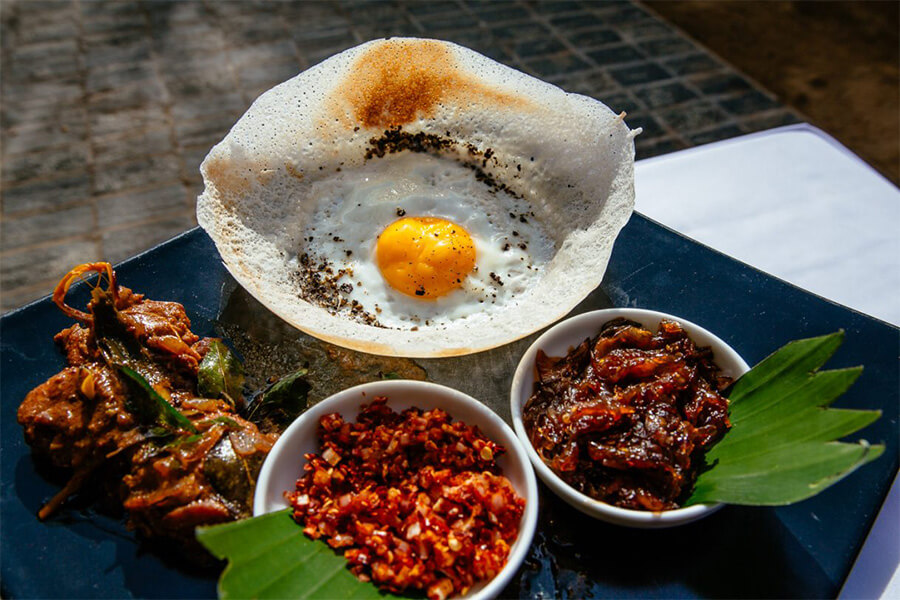
This variety proves especially popular for breakfast or hearty snacks. The protein from the egg transforms egg hoppers into satisfying fuel for active days exploring temples or beaches. Seasoned simply with salt and pepper, the egg absorbs subtle coconut notes from the surrounding hopper.
From practical experience guiding food tours, I recommend egg hoppers to first-time visitors seeking an approachable yet exciting introduction. The visual appeal of the golden yolk nestled in the bowl delights, and the combination of textures never fails to impress. Vendors often prepare dozens simultaneously, showcasing impressive skill as they manage multiple pans at once.
Sweet Hoppers – A Unique Sri Lankan Dessert Experience
Sweet hoppers offer a delightful dessert or afternoon treat. Cooks add kithul treacle, palm jaggery, or honey to the center while cooking, allowing the sweetness to caramelize slightly against the crisp edges.
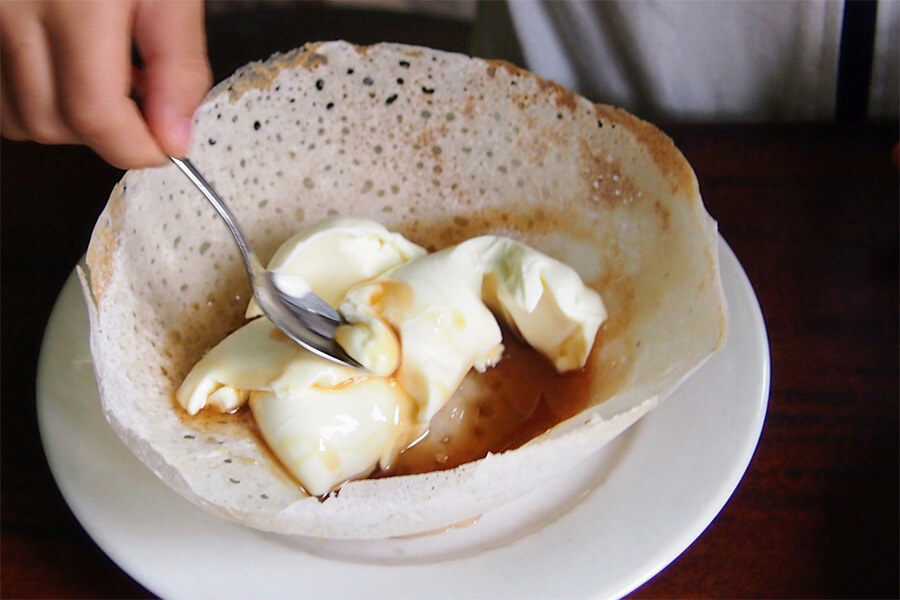
These versions highlight Sri Lanka’s abundant palm resources. The natural caramel notes of kithul complement the coconut in the batter beautifully. Some families serve sweet hoppers with fresh curd or buffalo yogurt for creamy contrast.
In my travels, I have enjoyed sweet hoppers at family gatherings where they conclude meals on a warm, comforting note. The contrast between the fermented tang and added sweetness creates sophisticated flavor harmony that feels both traditional and indulgent. Modern variations might include banana slices or chocolate, though purists prefer classic palm syrup.
How to Make Hoppers (Appa) at Home – A Step-by-Step Guide
Recreating authentic hoppers at home brings Sri Lankan flavors to any kitchen. With proper technique and patience, home cooks achieve results rivaling street vendors.
Preparing the Batter for Hoppers
Start with quality rice flour, preferably from short-grain rice soaked and ground fresh for best texture, though store-bought works well. For authentic fermentation, mix rice flour with a tiny amount of instant yeast and water into a thick paste the night before. Avoid adding sugar, salt, or coconut milk at this stage, as they can hinder proper fermentation.
Cover the mixture and let it rest 18 to 20 hours at room temperature. Bubbles and a slight rise indicate success. The next day, gradually incorporate coconut milk, sugar, and salt until reaching a consistency similar to thin pancake batter. Allow another 30 minutes of resting for flavors to meld.
From my testing in home kitchens during off-seasons in Sri Lanka, this long fermentation delivers the characteristic tang and airy texture essential to genuine Sri Lankan hoppers. Shorter methods using more yeast produce acceptable results but lack depth.
The Best Techniques for Cooking Hoppers (Appa)
Use a traditional appachatti or a small nonstick wok with a lid. Season the pan properly by heating oil with a bit of egg yolk or whole egg and rubbing it around to create a natural nonstick surface that lasts multiple batches.
Heat the pan over medium flame. Pour a ladle of batter into the center and immediately swirl to coat the sides thinly while leaving more batter at the bottom. Cover immediately and cook undisturbed for about two to three minutes. The edges should turn golden and crisp while the center sets softly.
Resist lifting the lid repeatedly, as steam is crucial for proper cooking. Remove the finished hopper gently with a spatula or by inverting the pan. Practice makes perfect. The first few may not achieve ideal shape, yet they still taste wonderful.
Season the pan between batches to maintain consistency. Experienced cooks adjust heat based on batter thickness and ambient temperature for reliable results every time.
How to Make Perfect Egg Hoppers at Home
For egg hoppers, use slightly less batter to leave room for the egg. After swirling, crack a fresh room-temperature egg into the center. Season with salt and pepper, then cover and reduce heat to low. Cook three to four minutes for runny yolks or longer for firmer eggs.
The key lies in timing. The steam cooks the egg gently without overcooking the delicate hopper. Fresh eggs ensure best flavor and texture.
In home demonstrations I have led for travelers, participants master egg hoppers quickly once they understand the swirl and cover technique. Serve immediately while the egg remains warm and the edges stay crisp.
The Best Way to Serve Hoppers – Pairing and Accompaniments
Serving hoppers enhances their enjoyment through thoughtful pairings that balance flavors and textures.
Traditional Sides Served with Hoppers in Sri Lanka
Classic accompaniments include pol sambol, a fresh coconut relish with chili, lime, and onions that adds brightness. Lunu miris, a fiery onion and Maldive fish paste, provides heat that contrasts the mild hopper. Seeni sambol, sweet and spicy caramelized onions, offers depth.
Dhal curry or kiri hodi, a mild coconut gravy, provides creamy comfort. Fish or chicken curries turn hoppers into substantial meals. These sides reflect Sri Lanka’s spice heritage while letting the hopper remain the star.
How to Pair Hoppers with Sri Lankan Curries and Dips
Roll or tear hoppers and dip into curries for perfect bites. For egg hoppers, the yolk mixes naturally with spicy sambols for rich harmony. Sweet versions pair excellently with extra treacle or yogurt.
From countless meals shared with local families, I recommend starting mild and building heat to appreciate layers. The right pairing transforms a simple hopper into a complete, satisfying experience that lingers in memory long after the meal ends.
Where To Find Sri Lankan Appa?
Sri Lankan appa appear throughout the island, making them accessible to every traveler. Colombo’s street stalls, particularly around Galle Face Green and Pettah Market, serve some of the best late-night versions. Vendors in Kandy and Galle offer fresh batches from dawn until late.
Roadside tea shops in rural areas provide authentic home-style hoppers often prepared by family members. Hotels and restaurants include them on breakfast buffets with varied accompaniments. Coastal regions pair them with seafood curries, while hill country spots emphasize milder flavors.
For the most memorable experience, seek out small family-run stalls where the cook prepares them to order. Regional differences reward exploration, with northern areas featuring stronger toddy notes and southern versions richer in coconut.
FAQs About Sri Lanka Street Food Hoppers
What ingredients make up authentic hoppers?
Hoppers primarily consist of rice flour, coconut milk, yeast or toddy for fermentation, sugar, and salt. The simple list belies the complex flavors achieved through proper technique.
Are hoppers gluten-free?
Yes, traditional Sri Lankan hoppers contain no wheat, making them naturally gluten-free and suitable for many dietary needs.
How do egg hoppers differ from plain ones?
Egg hoppers include a cooked egg in the center, adding protein and richness while maintaining the classic hopper structure.
Can I make hoppers without overnight fermentation?
Instant versions using more yeast work in under an hour, though they lack the full tangy depth of traditionally fermented batter.
What is the best time to eat hoppers in Sri Lanka?
Anytime works, though breakfast and late evening offer peak freshness at street stalls and home kitchens alike.
Are sweet hoppers common as desserts?
Yes, sweet hoppers with kithul treacle or jaggery provide a popular dessert option that highlights local palm products beautifully.
How should beginners approach eating hoppers?
Use your right hand to tear pieces and scoop accompaniments. Start with plain or egg varieties alongside mild sambols to build confidence with flavors.
Can hoppers be reheated successfully?
Fresh preparation yields best results, but leftover hoppers can be gently warmed in a pan to restore some crispness.
This guide was created by Sri Lanka Local Tours, a company specialized in authentic cultural and culinary journeys across the island.