
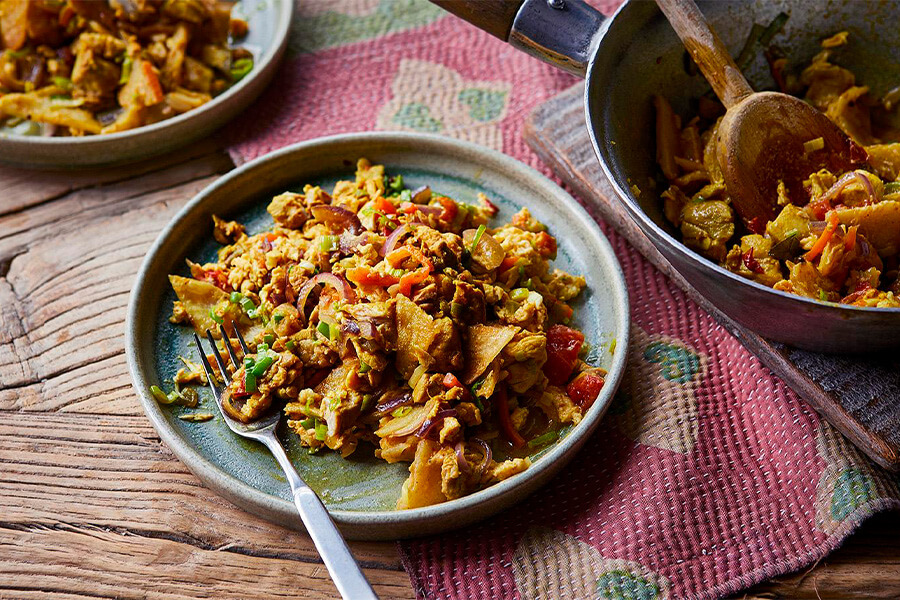
In the bustling streets of Sri Lanka, few dishes capture the essence of vibrant street food culture quite like Kottu Roti. This iconic meal, known for its distinctive chopping sounds and irresistible flavors, has become a favorite among locals and visitors alike. Recommended by many Sri Lanka local tour operators, Kottu Roti stands as a must experience for anyone exploring the island’s culinary heritage. Whether you are craving the best chicken kottu roti or seeking a complete kottu roti recipe to recreate at home, this detailed guide delivers everything you need. From its humble origins in the eastern province to expert preparation techniques that deliver authentic taste, you will discover why Kottu Roti remains a cornerstone of kottu roti sri lanka gastronomy for food lovers everywhere.
What is Kottu Roti? A Sri Lankan Street Food Classic
Kottu Roti is a beloved Sri Lankan dish that perfectly embodies the country’s rich culinary traditions. The name itself comes from the Tamil word “koththu,” meaning “to chop,” which perfectly describes the unique preparation method. At its core, Kottu Roti consists of flaky flatbread known as Godamba roti that is chopped into small pieces and stir fried together with vegetables, spices, scrambled eggs, and often a protein such as chicken.
This street food classic originated in the eastern province of Sri Lanka, particularly around Batticaloa, during the 1960s and 1970s. It began as a resourceful way for vendors to use leftover day old Godamba rotis from local bakeries. These unsold flatbreads were chopped and mixed with available ingredients to create an affordable, filling meal for working class communities. Over decades, Kottu Roti evolved into a national favorite that transcends social and ethnic boundaries, enjoyed by students after classes, families on evening outings, and late night revelers seeking comfort food.
What sets Kottu Roti apart is the theatrical cooking process. Vendors use two heavy metal cleavers to rhythmically chop and mix the ingredients directly on a large flat iron griddle. The resulting sound has been compared to Sri Lankan dubstep, creating an engaging sensory experience that draws crowds. The final dish delivers a delightful combination of crispy yet chewy roti pieces coated in fragrant spices, tender vegetables, and savory protein that absorbs every bit of flavor.
In its most popular form, chicken kottu roti features succulent pieces of chicken simmered in a spiced curry gravy. The dish balances carbohydrates from the roti, protein from chicken and eggs, and freshness from vegetables, making it both satisfying and versatile. Home cooks and professional chefs alike appreciate how Kottu Roti transforms leftovers into something extraordinary, reflecting the practical wisdom of Sri Lankan cooking traditions passed down through generations.
The Popularity of Kottu Roti in Sri Lanka and Beyond
Kottu Roti holds a special place in Sri Lankan culture as one of the most accessible and beloved street foods. In cities like Colombo, Kandy, and Galle, roadside stalls and small eateries serve hundreds of portions every evening. Students, office workers, and tourists alike gather around the glowing griddles, drawn by the aroma of spices and the hypnotic chopping rhythm. Its affordability and hearty nature make it ideal for any time of day, though it shines brightest as a late night meal that soothes after long days or lively evenings.
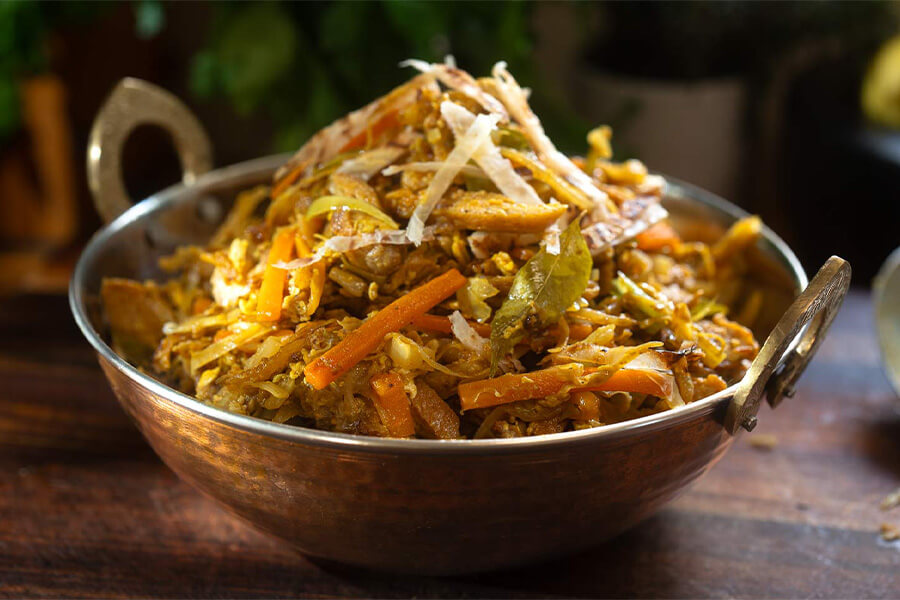
The dish gained widespread popularity across Sri Lanka because it unites diverse communities. Sinhalese, Tamil, and Muslim families all claim variations as part of their heritage, yet everyone agrees on its irresistible appeal. In recent years, kottu roti sri lanka has traveled far beyond the island’s shores. Sri Lankan diaspora communities in Canada, the United Kingdom, Australia, and the United States have introduced Kottu Roti to new audiences through restaurants and food festivals. Social media videos showcasing the dramatic preparation have gone viral, sparking global interest in this unique street food.
International food enthusiasts now seek out authentic chicken kottu roti in Sri Lankan eateries worldwide. Chefs experiment with fusion versions while purists maintain traditional methods. The dish’s rise reflects broader trends in global cuisine where street food from smaller nations gains recognition for its bold flavors and cultural storytelling. Travelers who discover Kottu Roti during visits to Sri Lanka often return home determined to master the kottu roti recipe, sharing their attempts and creating demand for ingredients like Godamba roti and Sri Lankan curry powders.
This growing popularity has elevated Kottu Roti from humble street staple to culinary ambassador for Sri Lanka. Food tours and cooking classes focused on the dish now feature prominently in travel itineraries, allowing visitors to understand its significance firsthand. The enduring appeal lies in its perfect balance of convenience, flavor, and communal enjoyment that resonates across cultures.
Key Ingredients in Chicken Kottu Roti
Creating an authentic chicken kottu roti starts with quality ingredients that work together harmoniously. The foundation is Godamba roti, a flaky flatbread made from wheat flour that provides the signature chewy texture. When fresh Godamba roti proves difficult to source outside Sri Lanka, high quality frozen paratha or roti canai from Indian or Asian grocery stores serves as an excellent substitute. You will need approximately one pound or about six to eight pieces for a family sized portion.
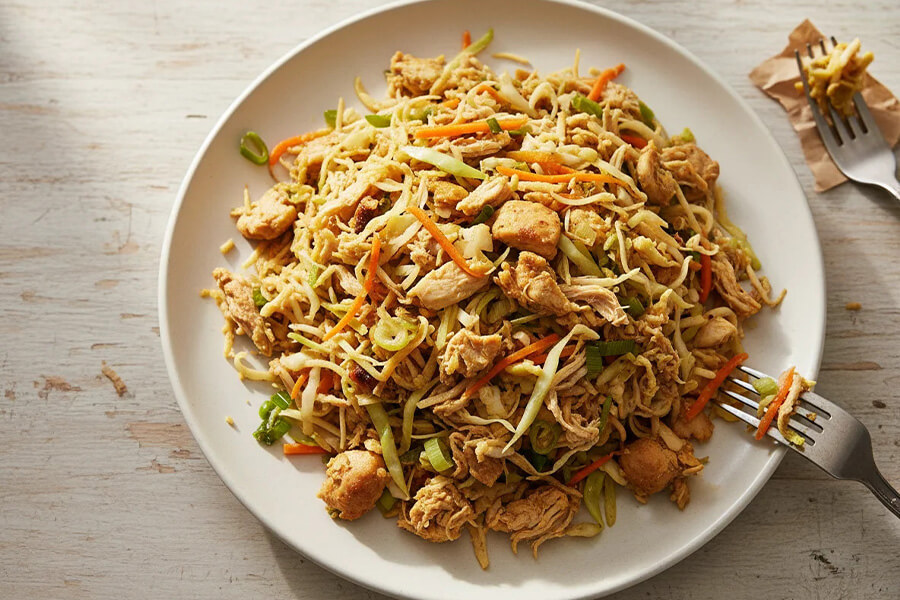
For the chicken component, tender pieces from a pre cooked chicken curry deliver the best results. The curry should include classic Sri Lankan spices such as roasted curry powder, turmeric, chili powder, cinnamon, and black pepper. Leftover chicken curry works wonderfully because the gravy coats the roti pieces beautifully. If preparing fresh, use boneless chicken thighs simmered until juicy and flavorful.
Vegetables bring freshness and crunch. Key additions include sliced leeks for mild onion like sweetness, shredded cabbage for texture, grated carrots for natural sweetness, and sliced onions. Green chilies or banana peppers add heat and brightness while curry leaves contribute their distinctive aromatic note. Garlic and ginger form the essential flavor base that ties everything together.
Eggs provide richness and help bind the ingredients. Most recipes call for two to three large eggs scrambled into the mixture. Optional enhancements include a handful of shredded cheese for a modern twist popular in some Colombo stalls or extra chili for those who prefer fiery versions.
Spices and seasonings elevate the dish to restaurant quality. Sri Lankan roasted curry powder stands as the star, delivering complex earthy notes that differ from generic curry powders. Additional elements like cayenne or chili powder control the heat level while salt and black pepper balance the flavors. A small amount of chicken stock or leftover curry sauce ensures the roti absorbs moisture without becoming soggy.
With these carefully selected ingredients, the kottu roti recipe comes together into a cohesive dish where every bite offers layers of spice, texture, and satisfaction. Sourcing authentic Sri Lankan spices whenever possible ensures the closest replication of street side flavors that make Kottu Roti unforgettable.
Step-by-Step Guide to Making Chicken Kottu Roti
Mastering the chicken kottu roti at home requires attention to each stage, from preparing the base to achieving the perfect final mix. Follow this detailed kottu roti recipe for results that rival the best street vendors in Sri Lanka. The process takes about one hour and twenty minutes total, including preparation, and serves four generous portions.
Preparing the Roti – The Base for Chicken Kottu Roti
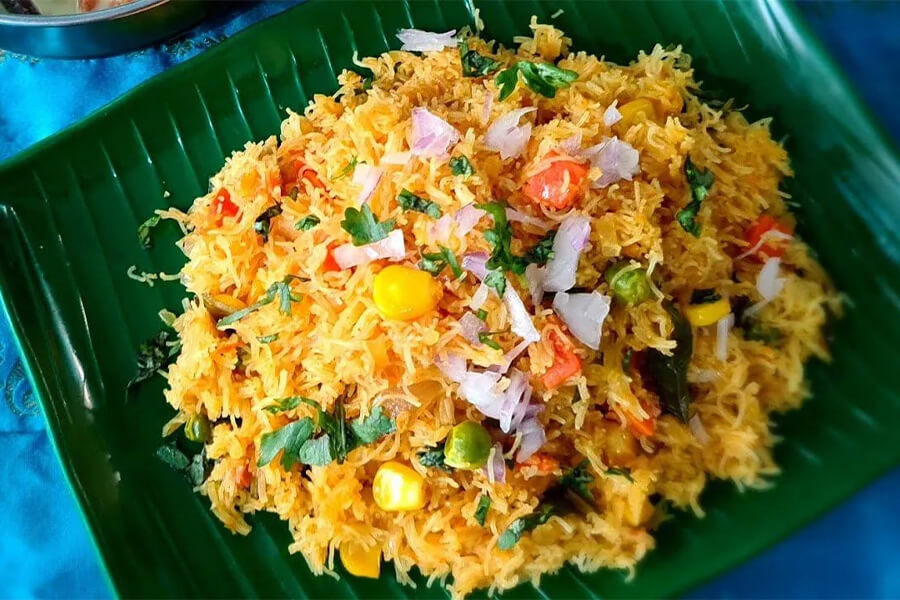
The roti forms the heart of any successful Kottu Roti. Begin by cooking the flatbreads if using frozen paratha or roti canai. Heat a dry skillet over medium heat and cook each piece for two to three minutes per side until golden and flaky. Allow them to cool slightly before chopping into small bite sized pieces roughly one inch square. This size ensures even distribution and proper sauce absorption.
If you have access to fresh Godamba roti from a Sri Lankan bakery, even better. The natural flakiness enhances the final texture dramatically. For those wanting to make roti from scratch, mix wheat flour with water, salt, and a touch of oil into a soft dough. Rest the dough for thirty minutes, then roll into thin circles and cook on a hot tawa. Stack the cooked rotis and cover with a cloth to keep them soft before chopping.
Chop the cooled roti on a large cutting board using a sharp knife. Aim for irregular pieces that mimic the rustic look of street prepared versions. Set the chopped roti aside while preparing other components. This preparation step proves crucial because properly cooked and chopped roti absorbs spices without turning mushy, delivering that signature contrast of crispy edges and soft centers that defines authentic chicken kottu roti.
Cooking the Chicken and Vegetables for the Perfect Kottu
Start by preparing or warming the chicken element. If using leftover chicken curry, simply shred or chop the meat into small pieces while reserving some gravy. For fresh preparation, season one pound of chicken thighs with Sri Lankan curry powder, salt, turmeric, and a splash of yogurt. Cook in a pan with onions, garlic, ginger, and tomatoes until the chicken becomes tender and the sauce thickens nicely. Reserve half a cup of this sauce for later mixing.
Heat two tablespoons of vegetable oil in a large wok or deep nonstick pan over medium high heat. Add half a medium onion sliced thinly and sauté until translucent. Stir in one tablespoon each of minced garlic and ginger, cooking briefly until fragrant but not browned. This aromatic base builds the foundation for all subsequent flavors.
Add the vegetables in stages for optimal texture. First incorporate one cup of sliced leeks using only the white and light green parts, along with sliced green chilies or banana peppers and a handful of curry leaves. Stir fry for three to four minutes until the leeks soften slightly. Next add one quarter of a medium cabbage shredded finely and one cup of grated carrots. Season with half a teaspoon of cayenne pepper for heat and a generous pinch of salt.
Introduce the chicken pieces and half a cup of curry sauce or stock. Continue stir frying until the vegetables reach a tender crisp stage and the chicken heats through evenly. The goal here involves coating everything in fragrant spices while maintaining distinct textures. Taste and adjust seasoning at this point, remembering that the roti will absorb much of the flavor.
The Technique of Mixing and Stirring the Kottu Roti
The final stage defines the character of Kottu Roti. Push the chicken and vegetable mixture to one side of the pan and create a well in the center. Crack three large eggs into the well, season lightly with salt, and scramble them until nearly set. Mix the eggs thoroughly with the chicken and vegetables to distribute protein evenly.
Now add the chopped roti pieces. Using two spatulas or a large wooden spoon and spatula combination, vigorously mix and chop the roti into the other ingredients. Work quickly over medium high heat for about five minutes, continuously turning and pressing the mixture so the roti absorbs the sauce and spices. The motion should break up larger roti pieces slightly while keeping some texture intact.
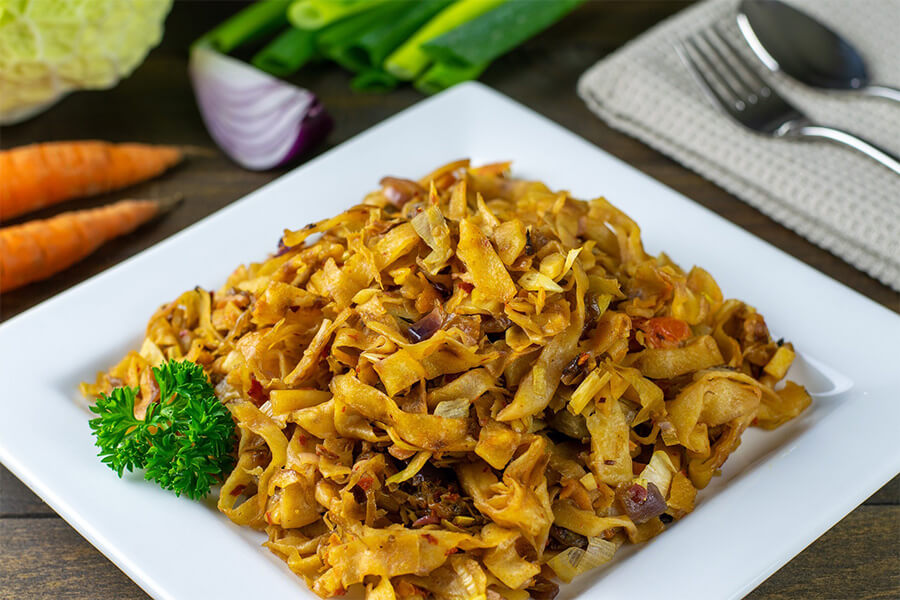
If preparing a cheese variation popular in some urban stalls, sprinkle one cup of shredded cheese during the final mixing stage and allow it to melt slightly. The constant stirring prevents sticking and ensures even flavor distribution. The finished chicken kottu roti should appear moist but not wet, with roti pieces glistening from the spiced sauce and vegetables distributed throughout.
Remove from heat once everything reaches piping hot temperature and the flavors meld beautifully. This technique, though adapted for home kitchens without massive griddles and cleavers, captures the essence of street side preparation through persistent mixing and chopping motions.
How to Serve Kottu Roti
Kottu Roti tastes best served immediately while still steaming hot from the pan. Portion generous servings onto plates and offer extra curry sauce on the side for those who prefer more moisture. A wedge of lime adds bright acidity that cuts through the richness, while thinly sliced raw onions or a simple cucumber salad provide refreshing contrast.
In Sri Lanka, vendors often accompany chicken kottu roti with additional chili sambal for heat seekers or a cooling yogurt based condiment. At home, consider pairing with a chilled glass of mango lassi or fresh coconut water to balance the spices. The dish works wonderfully as a complete meal on its own, though some enjoy it alongside hoppers or string hoppers for an even heartier spread.
For entertaining, present Kottu Roti family style in a large platter so guests can help themselves. The interactive nature of the dish encourages conversation and sharing, much like the communal experience at Sri Lankan street stalls. Leftovers, though rare, reheat beautifully in a hot pan with a splash of water to restore moisture.
Health Benefits of Kottu Roti
When prepared thoughtfully, Kottu Roti offers several nutritional benefits that make it more than just indulgent street food. A typical serving of chicken kottu roti provides around 450 to 550 calories, delivering substantial energy from complex carbohydrates in the roti. The chicken and eggs contribute high quality protein essential for muscle repair and satiety, while vegetables supply dietary fiber, vitamins A and C from carrots and cabbage, and antioxidants that support overall wellness.
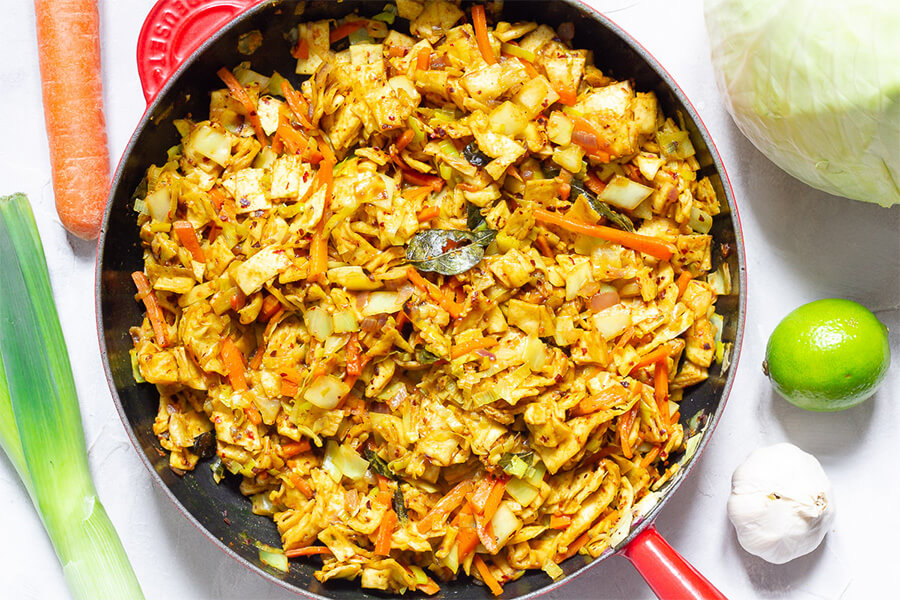
Leeks and onions provide prebiotic compounds that promote gut health, and the spices including turmeric offer anti inflammatory properties. Curry leaves contain beneficial plant compounds, and the dish can easily incorporate more vegetables for increased nutrient density. For those monitoring sodium or fat intake, home preparation allows control over oil quantity and salt levels, creating a more balanced version than some street preparations.
While Kottu Roti contains carbohydrates and fats that provide quick energy perfect for active travelers, moderation remains key. Opting for skinless chicken, increasing vegetable ratio, and using minimal oil transforms the dish into a nutritious option suitable for regular enjoyment. Many Sri Lankans view it as comfort food that nourishes both body and soul after busy days, especially when shared with family or friends.
Where to Find the Best Chicken Kottu Roti in Sri Lanka
Sri Lanka offers countless spots to enjoy exceptional chicken kottu roti, each with unique character. In Colombo, Hotel de Plaza in Wellawatte stands out as a late night favorite where locals and tourists line up for generous portions of chicken and cheese kottu roti. Pilawoos in Kollupitiya remains legendary for its consistent quality and lively atmosphere, serving until the early hours with perfectly spiced versions.
Kandy visitors should head to The Pub in the town center for chicken kottu roti enjoyed in a relaxed setting with cold drinks. Devon Restaurant provides a family friendly option with reliable flavors. In Galle, Elita Restaurant near the fort area excels with seafood influenced variations, though their classic chicken version impresses equally. For more adventurous palates, street stalls around Pettah Market and Aluthkade deliver the most authentic griddle side experience with that unmistakable rhythmic soundtrack.
Ella offers charming options like Cafe Chill where travelers relax with mountain views alongside their kottu roti. These locations demonstrate the dish’s versatility across different regions and settings throughout Sri Lanka.
FAQs About Sri Lankan Chicken Kottu Roti
What makes chicken kottu roti different from other Sri Lankan dishes?
The chopping technique and use of leftover roti distinguish Kottu Roti from curries or rice dishes. The interactive preparation creates unique textures where roti pieces soak up flavors while retaining chewiness.
Can I make a vegetarian kottu roti recipe?
Absolutely. Omit the chicken and increase vegetables or add paneer or tofu. The same spices and technique produce a satisfying meat free version that many Sri Lankans enjoy regularly.
How spicy is authentic chicken kottu roti?
Traditional versions offer moderate to high heat depending on the vendor. Home cooks control the spice level easily by adjusting chili quantities, making it adaptable for all preferences.
What is the best substitute for Godamba roti?
Frozen paratha or roti canai from Asian stores works excellently. Cook them first for proper flakiness before chopping.
How long does homemade Kottu Roti keep?
Enjoy it fresh for best texture. Refrigerated leftovers last up to two days and reheat well in a hot pan with added moisture.
Is Kottu Roti suitable for beginners to cook?
With pre cooked chicken and store bought roti, even novice cooks can succeed. The step by step process proves forgiving and rewarding.
Can I prepare kottu roti sri lanka style ahead of time?
Prepare components separately and combine just before serving to maintain optimal texture and freshness.
What drinks pair well with chicken kottu roti?
Fresh lime soda, king coconut water, or yogurt based drinks complement the spices beautifully while cooling the palate.
This guide was created by Sri Lanka Local Tours, a premier company specialized in immersive culinary experiences and cultural tours throughout Sri Lanka, dedicated to sharing authentic flavors and stories with travelers from around the world.